
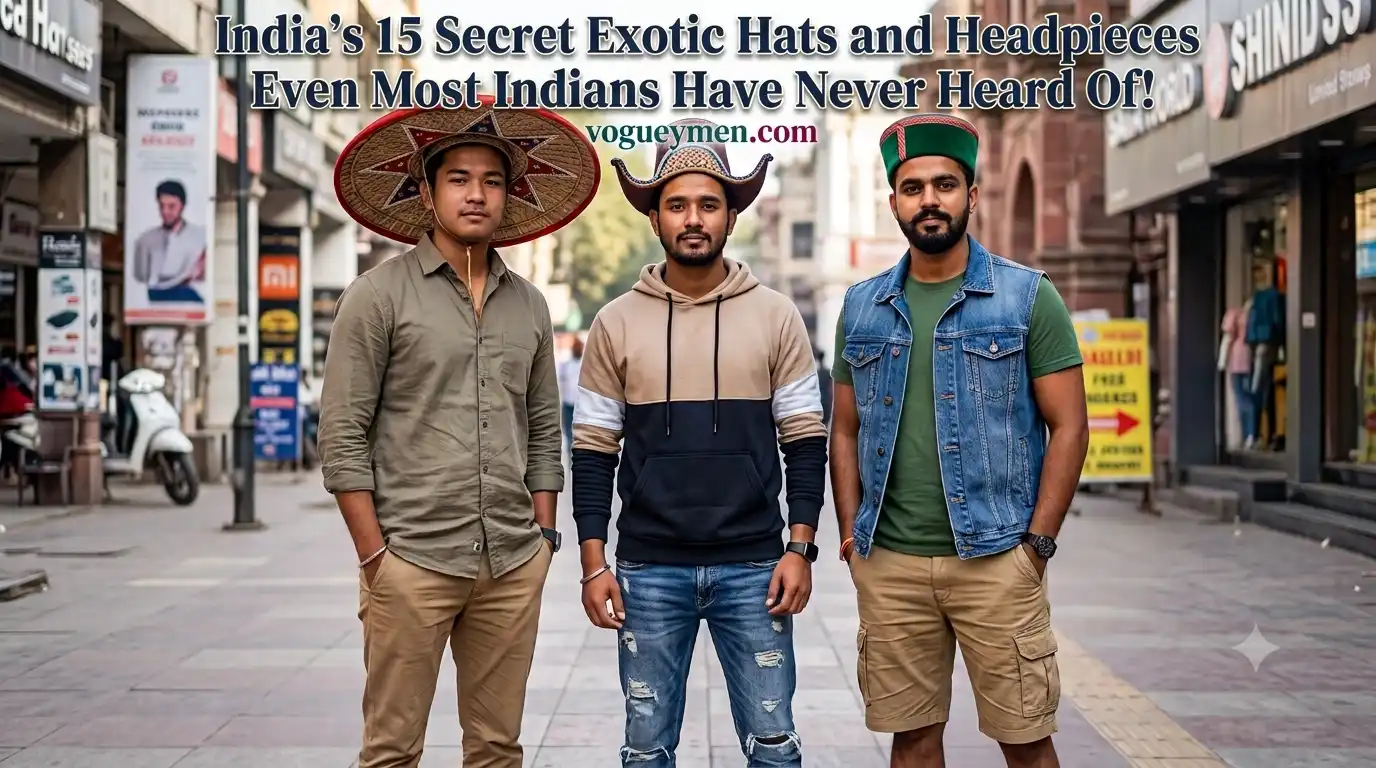
India is a land of endless sartorial surprises. When people think of Indian headwear, the towering turban usually steals the spotlight, while the country’s extraordinary hats quietly remain in the shadows. That’s about to change. In this journey through 15 exotic, colorful, and little-known Indian hats, we’ll uncover everything from beautifully simple everyday designs to headpieces so elaborate and unusual they almost feel mythical. Some were built to survive freezing Himalayan winds, others to battle monsoon rains and blazing tropical sun. From the icy heights of Ladakh to the lush shores of the Indian Ocean, this list travels across the many worlds within India itself. We’ll encounter the star-topped Jaapi of Assam, the giant umbrella-like hats of Meghalaya’s Khasi people, and many more hidden marvels along the way. Let the journey begin.
1. Jaapi of Assam
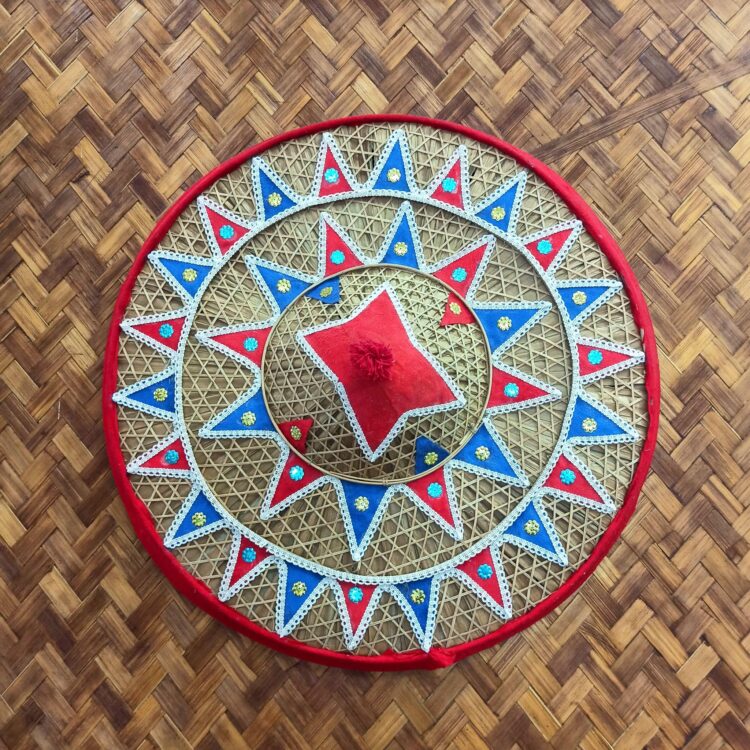
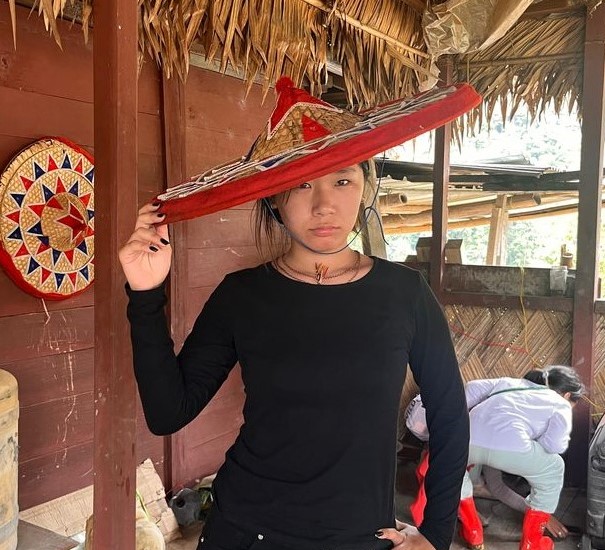
The Jaapi of Assam is one of India’s most visually striking traditional hats, instantly recognizable by its large conical shape and decorative star-like design at the crown. Traditionally woven from bamboo, cane, and palm leaves, the Jaapi can range from practical field hats to richly ornamented ceremonial pieces. Farmers once relied on its broad size for protection against Assam’s fierce sun and monsoon rains, while aristocratic versions were decorated with colorful cloth, beads, and mirrors for festivals and cultural performances. The hat is closely associated with Assamese identity and hospitality, often presented to guests as a mark of respect. What makes the Jaapi so fascinating is how it balances beauty and utility so effortlessly, turning an everyday agricultural hat into a proud cultural emblem.
2. Tipi Hat of Ladakh
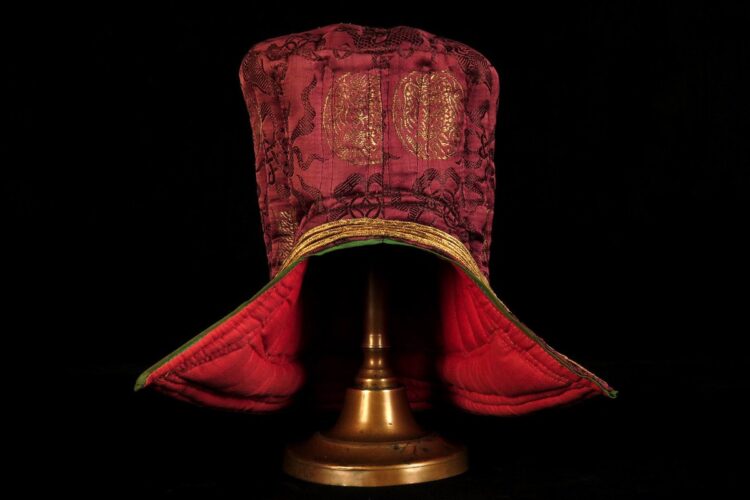
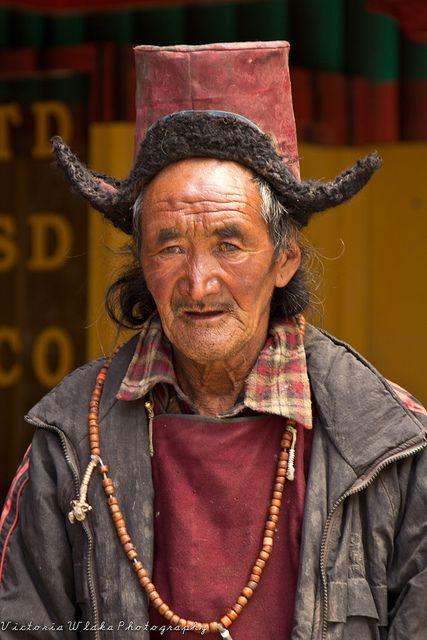
The Tipi hat from Ladakh looks almost like something from a mountain folktale, shaped with elegant upturned corners that give it a dramatic silhouette. Usually made from thick wool or felt to withstand the brutal Himalayan cold, the hat is commonly worn by Ladakhi communities during festivals, dances, and traditional gatherings. Its structure is compact yet sturdy, designed for practicality in freezing high-altitude weather where winds can be unforgiving. Some versions are decorated with colorful trims, embroidery, or fur lining, adding both warmth and style. Unlike the giant turbans seen in other parts of India, the Tipi reflects the influence of Tibet and Central Asia, which gives it an identity quite distinct from mainland Indian fashion traditions. It feels rugged, aristocratic, and deeply tied to mountain life all at once.
3. Sumok Thyaktuk or Lepcha hat of the Lepcha People
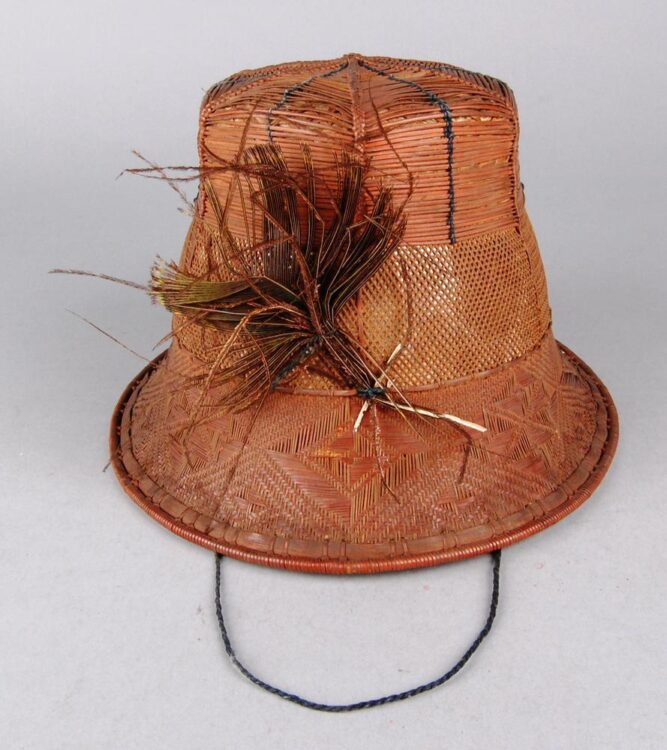
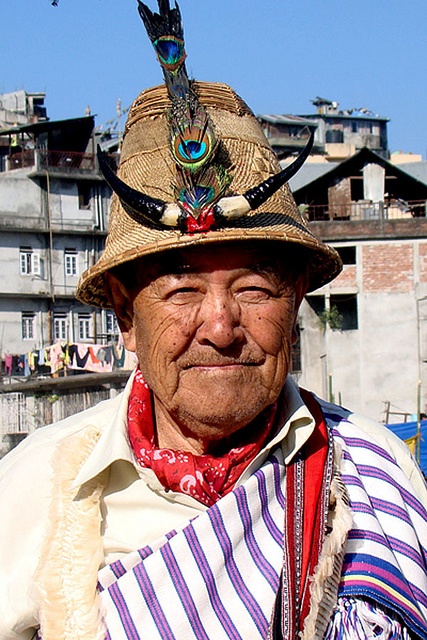
The Sumok Thyaktuk, worn by the Lepcha people of Sikkim, is a beautiful example of Himalayan craftsmanship rooted in nature. Woven mainly from bamboo and cane, the hat is lightweight yet surprisingly durable, reflecting the Lepcha community’s deep connection with forests and mountain ecology. Its shape is usually rounded or gently conical, designed more for graceful everyday wear than dramatic display. The weaving itself is often incredibly intricate, showing the skill of local artisans who have preserved the craft for generations. What makes the Sumok Thyaktuk stand out is its understated elegance. Unlike flashy ceremonial crowns or jewel-covered turbans, this hat carries a quiet sophistication that feels organic and deeply authentic. It represents not just protection from weather, but also the Lepcha way of living closely with nature.
4. Hornbill Headgear of the Nyishi Tribe
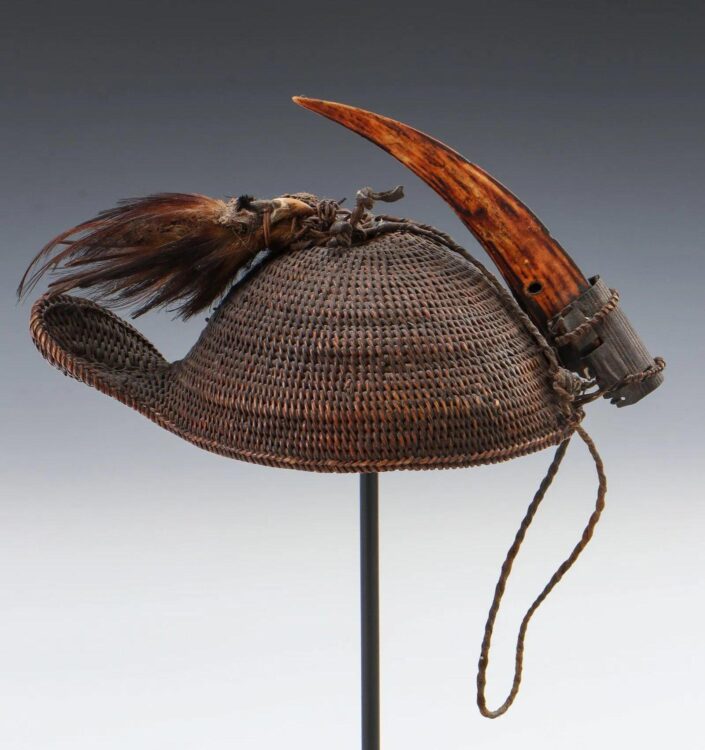
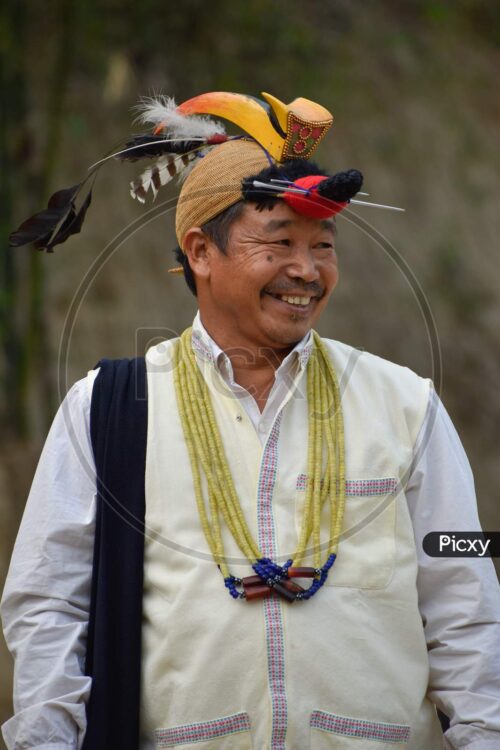
The hornbill headgear of the Nyishi tribe is among the most instantly recognizable tribal headdresses in all of India. Traditionally worn by Nyishi men in Arunachal Pradesh, the headgear is built on a woven cane or bamboo skullcap and crowned with the dramatic curved beak of the hornbill bird. A tuft of hair or dyed fibers often rises from the top, while twisted cane strips and thin ornamental sticks pierce through the arrangement, giving it a fierce warrior-like appearance. Historically, the real hornbill beak symbolized courage, masculinity, and prestige, though modern versions increasingly use fiberglass replicas to protect the bird population. The headdress feels wild, ceremonial, and deeply tied to the forests of Northeast India, blending tribal identity, nature worship, and martial symbolism into one unforgettable visual statement.
5. Perak of Ladakh
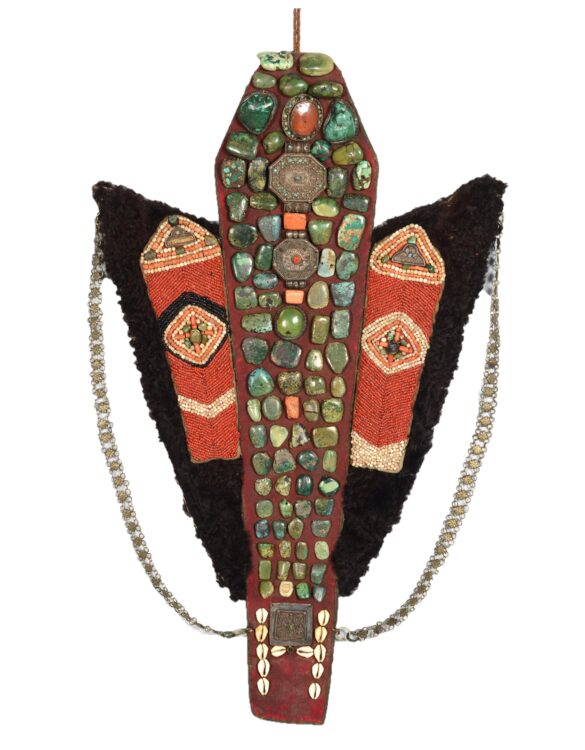
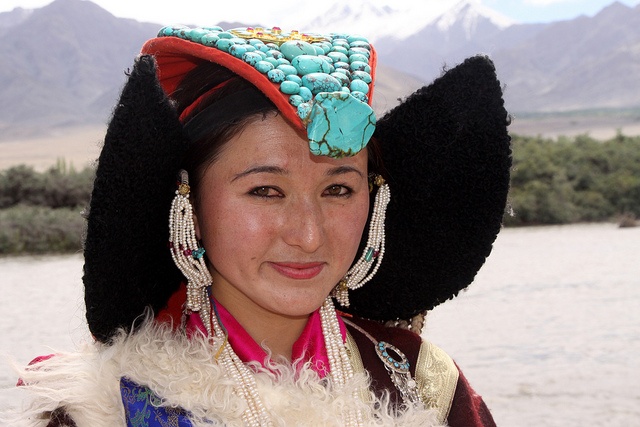
The Perak from Ladakh is less a simple hat and more a majestic moving sculpture worn on the head. Traditionally worn by Ladakhi women, especially during weddings and major ceremonies, the Perak is made from thick leather or felt and dramatically covered with rows of turquoise stones running from the forehead all the way down the back. Some elaborate versions are so long they nearly reach the waist. Wealthier families historically displayed dozens of precious turquoise pieces on the headdress, turning it into a symbol of status, prosperity, and ancestral heritage. The sheer weight and striking shape make it one of the most visually unforgettable headpieces in the Himalayas. With its Tibetan influence, mountain symbolism, and jewel-encrusted elegance, the Perak feels worlds apart from mainstream Indian fashion traditions.
6. Kullu or Kinnauri Cap of Himachal Pradesh
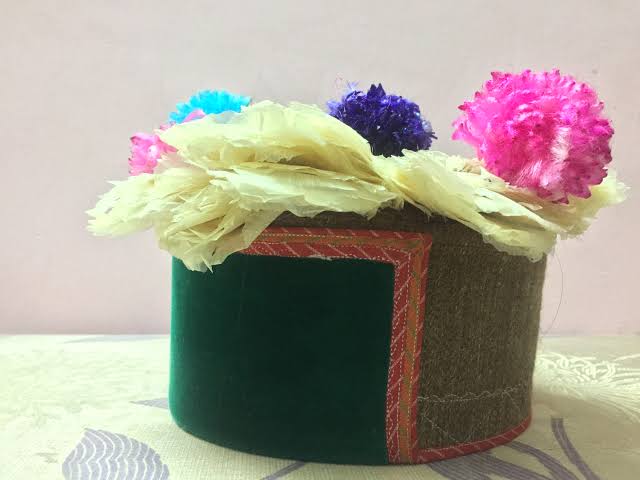
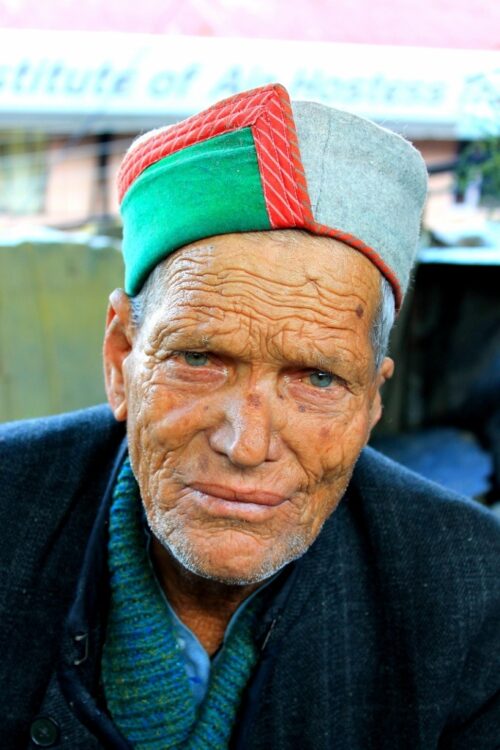
The Kullu or Kinnauri cap from Himachal Pradesh may appear modest at first glance, but it carries enormous cultural pride in the Himalayan region. Usually made from thick wool or felt, the cap has a flat, rounded shape with a colorful woven band running around the front, often featuring geometric mountain-inspired patterns in green, red, maroon, or grey. Designed for the chilly climate of Himachal’s valleys and highlands, it is practical enough for daily use yet elegant enough for festivals and ceremonies. The Kinnauri version is often more ornate, sometimes decorated with flowers or feathers during celebrations. What makes this cap special is its quiet sophistication. Rather than relying on dramatic size or jewels, it stands out through craftsmanship, regional identity, and the unmistakable mountain aesthetic that instantly evokes the culture of Himachal. India’s Fashion
7. Bakhu Hat of Bhutia Women
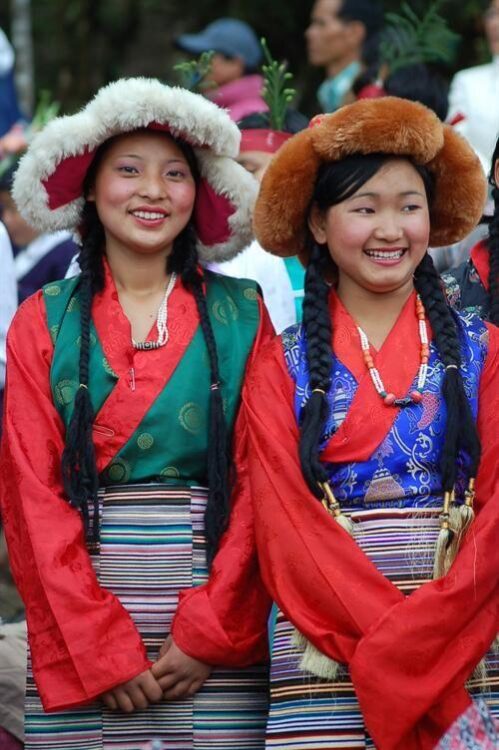
Among the many Himalayan headpieces of Sikkim, the fur-lined Bakhu hat worn by Bhutia women has a particularly cozy and distinctive charm. Resembling a soft bucket hat, it is usually crafted from wool, felt, or thick cloth and lined with fur to provide insulation against the biting cold of the mountains. The rounded structure sits snugly on the head, combining warmth with understated elegance. Often paired with the traditional Bakhu robe, the hat reflects strong Tibetan cultural influences that shape much of Bhutia attire. While it lacks the dramatic grandeur of jewel-covered headdresses, its appeal lies in its practicality and refined mountain aesthetic. To many outside the Himalayas, it looks surprisingly modern, almost like a fashionable winter accessory, despite being deeply rooted in centuries-old tradition.
8. Khumbeu or Lukhum Hat of Mizoram
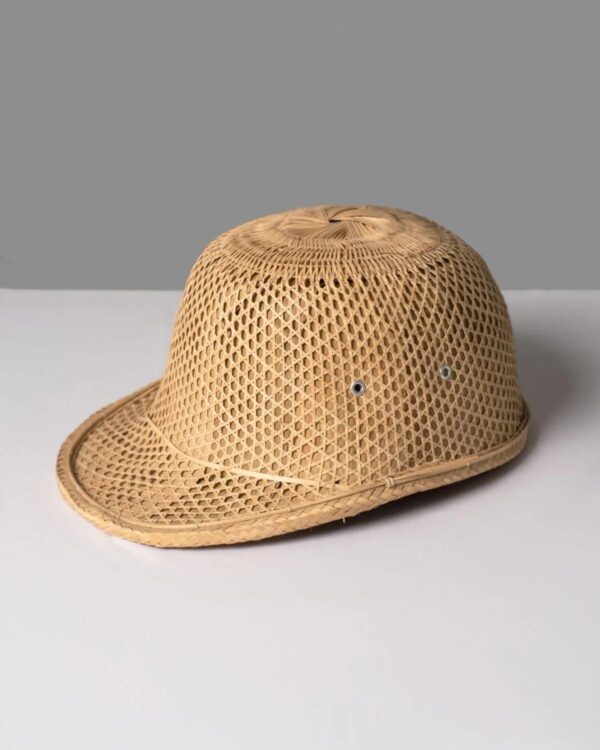

The Khumbeu, also known as the Lukhum, from Mizoram is a fascinating example of how traditional craftsmanship can look unexpectedly contemporary. Handmade from finely woven bamboo strips, this lightweight cap has a rounded, casual structure that almost resembles a modern dad hat or minimalist streetwear cap. Traditionally worn by Mizo communities during daily activities and cultural events, it is breathable, durable, and perfectly suited to the humid hill climate of the region. The weaving is often so neat and symmetrical that the hat feels both rustic and carefully engineered at the same time. Unlike heavily ceremonial tribal headgear, the Khumbeu stands out for its simplicity and wearability. Its clean silhouette and eco-friendly materials make it feel surprisingly relevant even today, blending indigenous identity with a timeless, almost modern design sensibility.
9. Vakiria or Chawilukhum of Mizoram
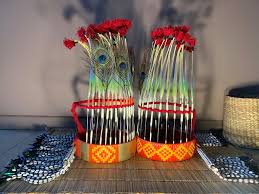
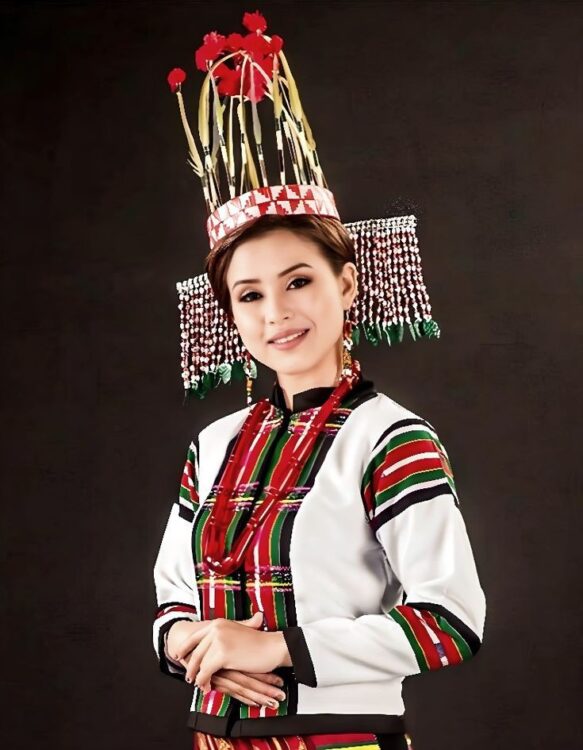
The Vakiria, sometimes called Chawilukhum, is one of the most iconic traditional headpieces of Mizoram, instantly recognizable for its striking vertical spikes or quill-like projections rising from a headband. Traditionally associated with Mizo women during dances and festive performances, the headwear is crafted from bamboo, cane, dyed fibers, feathers, and decorative elements carefully arranged into a symmetrical fan-like structure. The upright quills create a bold silhouette that gives the headdress an almost crown-like appearance from a distance. Despite its dramatic look, the Vakiria is lightweight and skillfully balanced for movement during dance rituals. What makes it especially fascinating is how futuristic it appears to outsiders, almost resembling avant-garde fashion or fantasy costume design, even though it emerged from deeply rooted indigenous traditions passed down through generations in the hills of Northeast India. Image Source
10. Knup of the Khasi People
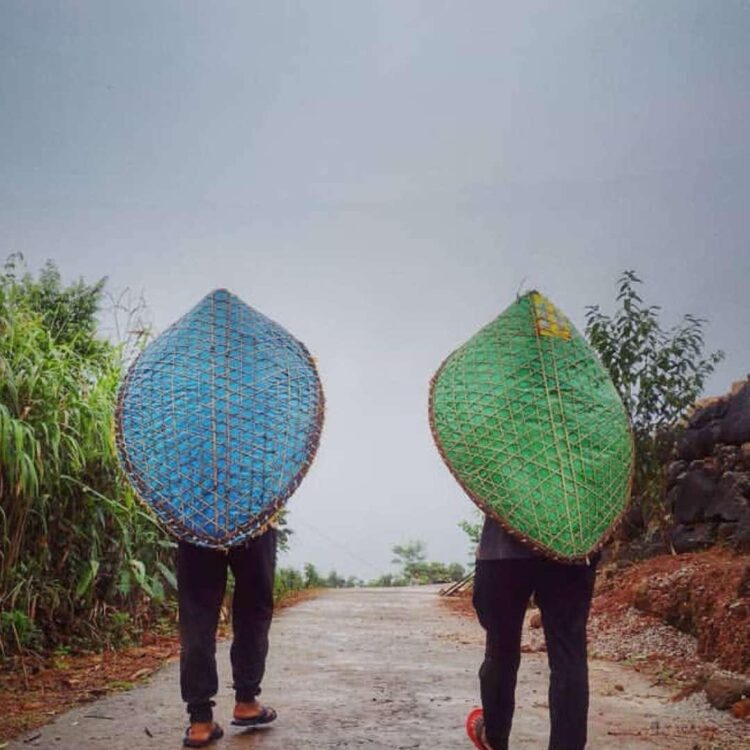
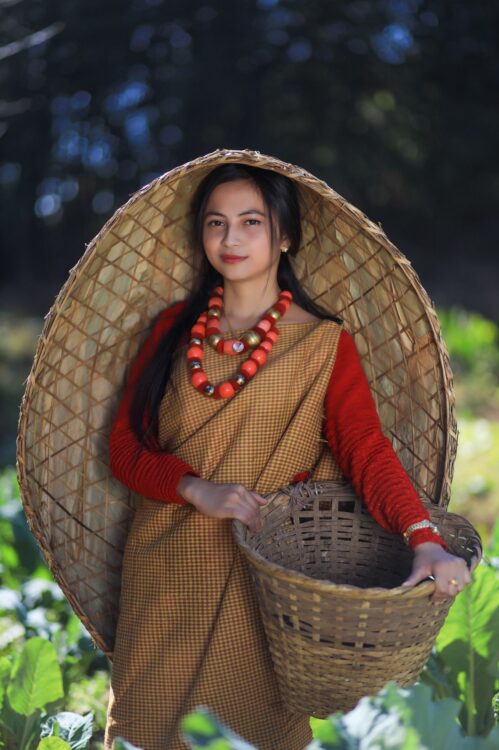
The Knup of the Khasi people in Meghalaya is less a normal hat and more a wearable shelter. Massive in size and woven from bamboo and palm leaves, the Knup extends far beyond the head, often covering the wearer’s entire back like a portable roof. In Meghalaya, one of the wettest regions on Earth, this ingenious design protects people from relentless rain while leaving both hands free for farming and daily work. From a distance, it almost resembles a giant turtle shell or an umbrella fused with clothing. Despite its unusual scale, the hat is surprisingly lightweight because of the bamboo framework beneath it. What makes the Knup truly fascinating is its pure practicality transformed into something visually extraordinary, a piece of indigenous engineering that feels both ancient and futuristic at the same time.
11. Balup Hat
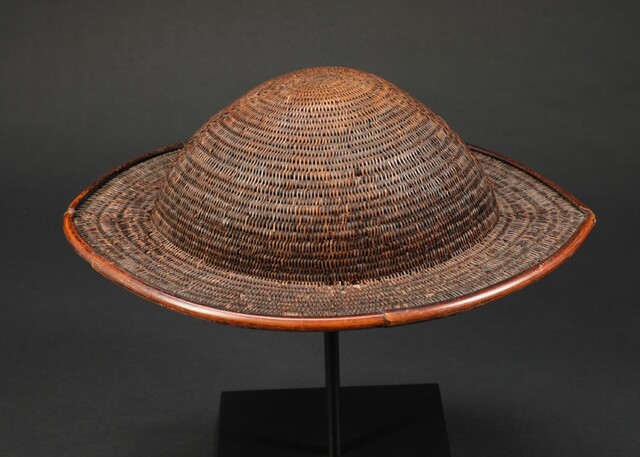
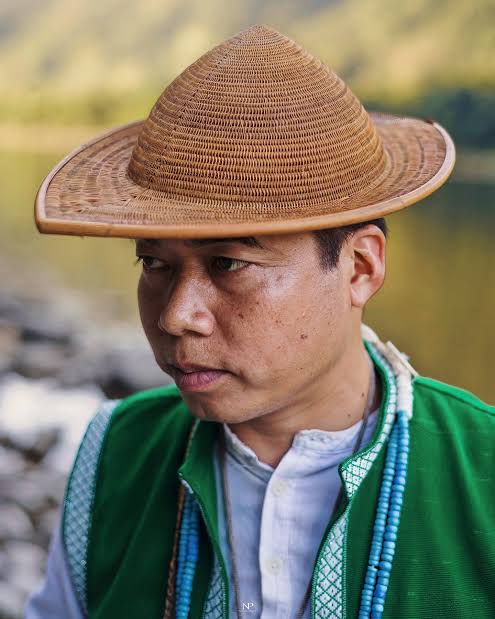
The Balup hat, found among tribal communities of Northeast India, particularly in parts of Arunachal Pradesh, stands out for its unusual and beautifully engineered shape. Handcrafted from sturdy cane and bamboo, the hat features a deep elliptical bowl that sits securely on the head, while its broad brim curves outward like the hull of a small boat. This clever design provides excellent protection from both tropical sun and heavy rain, making it highly practical for life in forested hill regions. Some versions are left plain and functional, while others are decorated with dyed fibers or traditional motifs. The Balup has a rugged, almost architectural appearance that makes it feel very different from the cloth caps and turbans more familiar in mainland India. It is a fine example of indigenous craftsmanship shaped directly by climate and terrain.
12. Ngama Shom, The Yak Hair Hat of the Monpa People
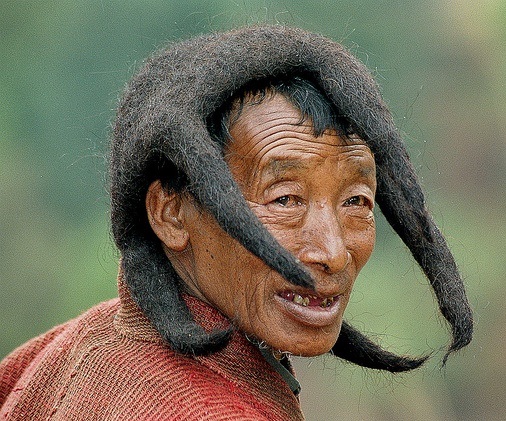
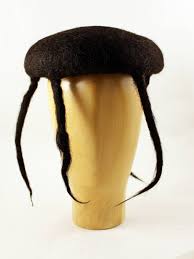
The Ngama Shom, worn by the Monpa people of Arunachal Pradesh, is one of the most unusual Himalayan headpieces you’ll encounter. Made primarily from thick yak hair often black, the hat fits closely around the skull to provide insulation against the icy mountain climate near the Tibetan border. What makes it truly distinctive are the dangling tassel-like strips or “tentacles” hanging from the sides, which sway as the wearer moves and give the hat an almost mythical appearance. The felt itself is dense, warm, and weather-resistant, reflecting the Monpa community’s adaptation to high-altitude life. The Ngama Shom carries strong Tibetan cultural influences and often appears during festivals, rituals, and traditional gatherings. To outsiders, it can look almost theatrical or shamanic, yet every detail is rooted in practicality, spirituality, and centuries of mountain tradition.
13. Mithila Paag of Bihar
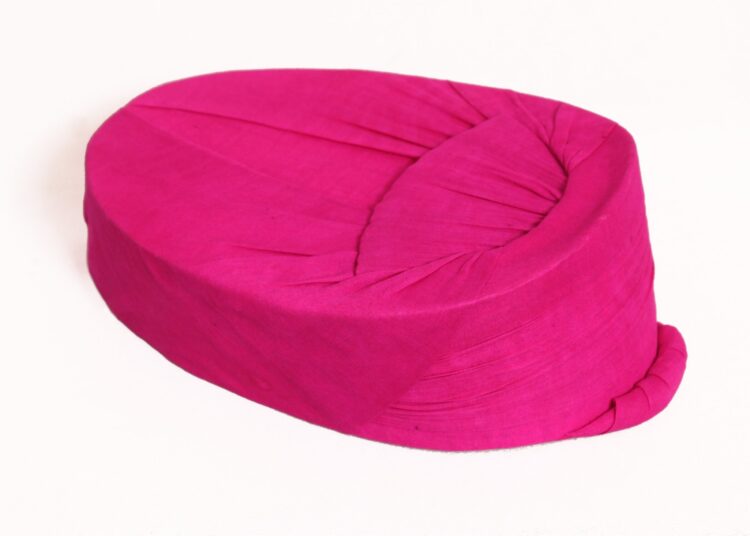

The Mithila Paag from Bihar is a proud cultural symbol of the Maithili people, instantly recognized for its tall, structured form and vibrant color. Traditionally crafted from cloth stretched over a lightweight bamboo framework, the Paag is usually cylindrical or slightly tapered and often appears in shades of red, maroon, or saffron. Unlike rugged tribal rain hats or fur-lined Himalayan caps, the Paag is deeply ceremonial and associated with dignity, scholarship, and social honor. Historically, it was worn by respected men and women too during weddings, religious ceremonies, and important public occasions. The headgear holds such cultural importance that it is often considered a visual emblem of Maithili identity itself. What makes the Paag especially fascinating is how regal it appears despite its relatively simple construction, carrying an air of intellectual and cultural prestige rather than martial grandeur.
14. Twin Tusk Headdress of the Adi Minyong Tribe
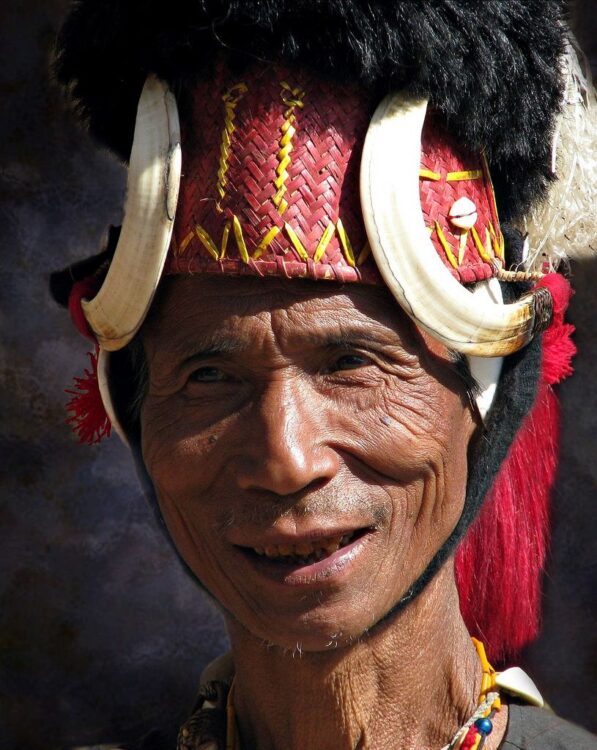
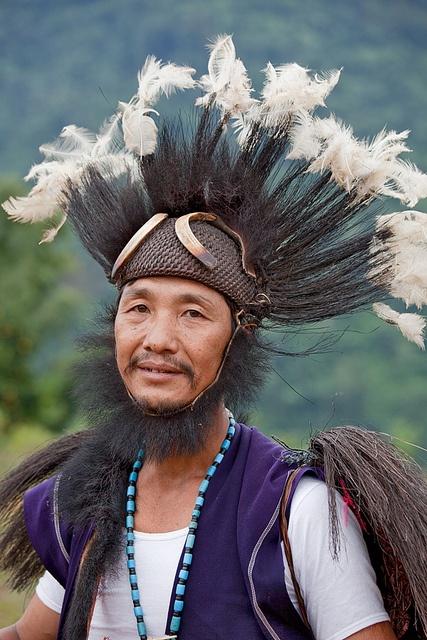
The twin tusk headdress of the Adi Minyong tribe is one of the boldest tribal headpieces found in Arunachal Pradesh. Traditionally worn during ceremonies, dances, and warrior celebrations, the headdress is built around a cane or bamboo framework and dramatically decorated with two curved tusk-like projections rising from either side. These tusks were historically fashioned from boar tusks or carved substitutes, symbolizing strength, hunting skill, and masculine prestige within the community. Feathers, animal hair, beads, and dyed fibers are often added to intensify the visual impact. The result is a headpiece that looks almost primal and theatrical, somewhere between ceremonial armor and sacred tribal art. What makes it especially fascinating is how powerfully it reflects the forest warrior culture of Northeast India, where status, courage, and identity were once displayed quite literally above the head.
15. Ao Naga Hat with Black Bear Fur and Hornbill Feathers
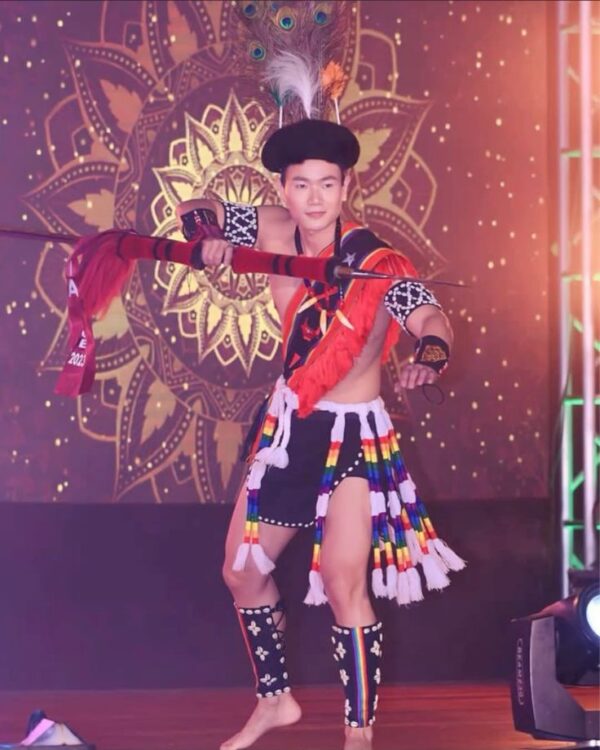
The traditional hat or headdress to be more precise, of the Ao Naga people from Nagaland is among the most fierce-looking and visually unforgettable tribal headpieces in South Asia. Usually constructed from cane or tightly woven bamboo, the hat is heavily adorned with black bear fur, hornbill feathers, animal hair, boar tusks, and bright dyed fibers that transform it into a powerful symbol of warrior identity. The dark fur creates a thick, almost helmet-like texture, while the upright hornbill feathers add dramatic height and movement. Historically, such headgear was closely tied to valor, social status, and achievements in battle or hunting. Even today, it remains an important part of Naga ceremonial dress during festivals and cultural gatherings. The sheer layering of fur, feathers, and animal symbolism gives the hat a wild, intimidating beauty that feels entirely distinct from mainstream Indian headwear traditions.
Great content! Keep up the good work!