
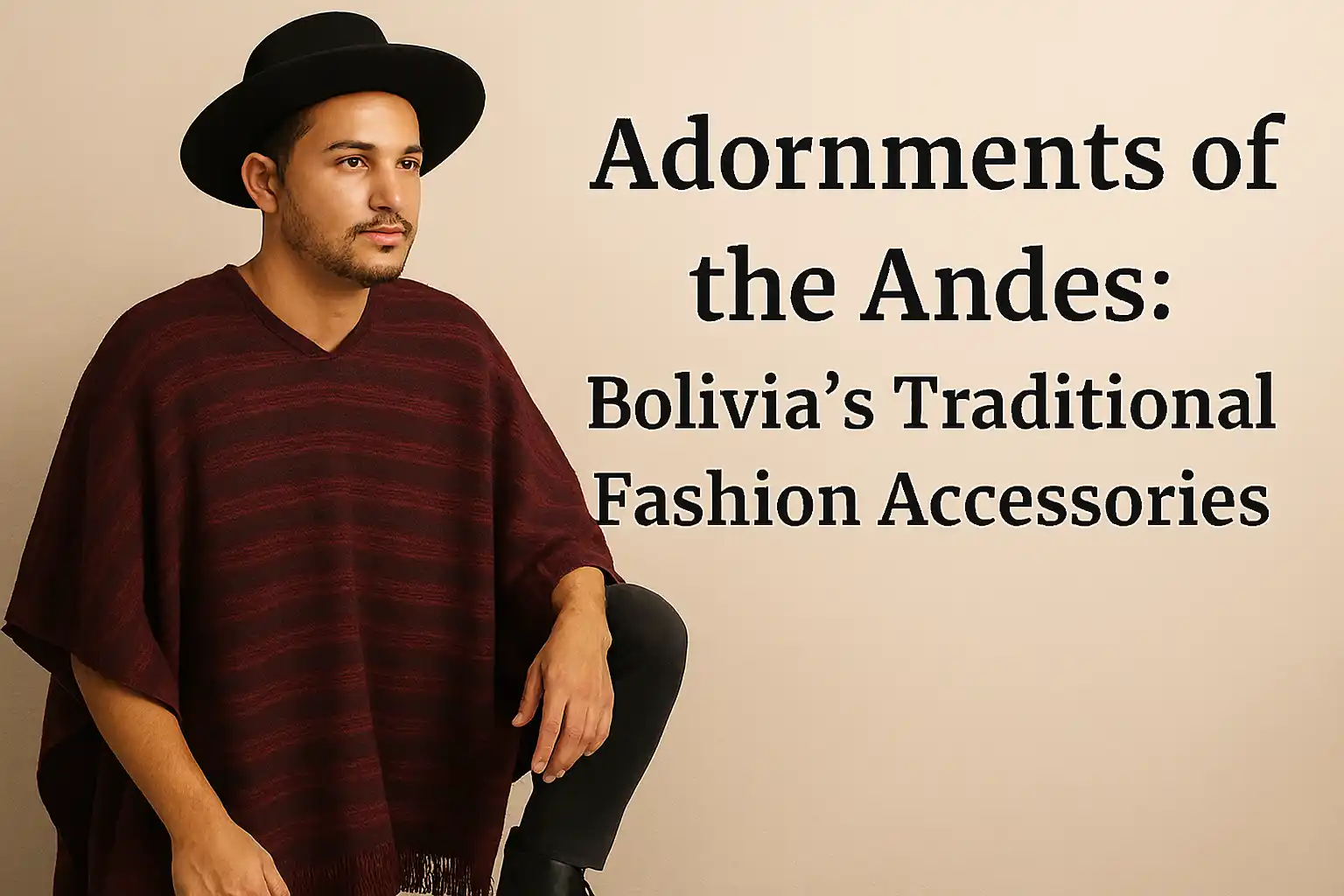
Bolivia’s sartorial heritage is as layered and textured as its landscapes, shaped by ancient civilizations, colonial encounters, and living Indigenous traditions. Nestled at the heart of the Andes, the Plurinational Republic of Bolivia shares deep accessory roots with neighboring South American countries, yet expresses them in uniquely Bolivian ways—through color, symbolism, and everyday ritual. From the dizzying heights of La Paz to the salt-white vastness of Uyuni, fashion here is never just decorative; it tells stories of identity, resilience, and pride. With 36 recognized Indigenous cultures, Bolivia’sTraditional Fashion Accessories offer one of the most exciting accessory landscapes on the continent. Let’s embark on this journey of sartorial exploration.
And no, the bombín or Bolivian bowler hat isn’t the only fashion gem waiting to be discovered—read on to uncover a world of remarkable accessories that deserve the spotlight.
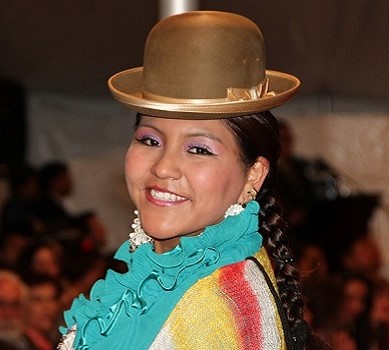
1. Bombín / Cholita Hat (Bolivian Bowler Hat)
The bombín, also called the cholita hat, is a hard felt hat with a rounded crown and short brim. It resembles a British bowler but has become uniquely Bolivian. Usually made from wool felt, it is worn by Aymara and Quechua women, especially cholitas. Men seldom wear it in Bolivia. The way it is tilted can express confidence or marital status. Today, it is a proud symbol of indigenous identity, elegance, and resilience. Image Source
2. Chullo Beanie
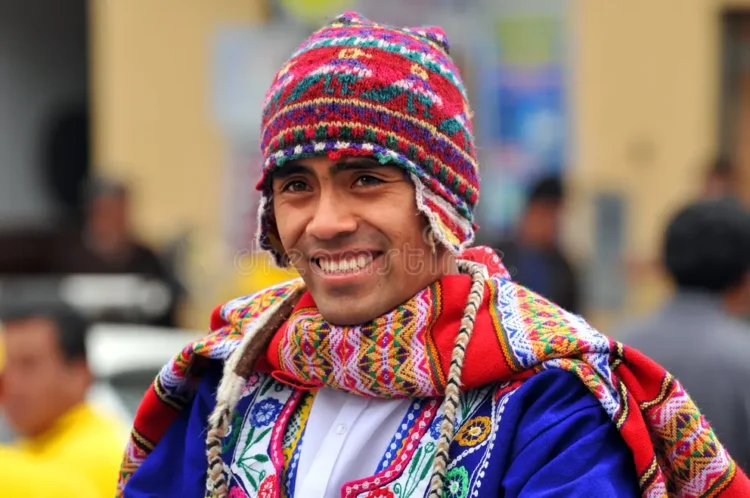
The chullo is a knitted wool hat with earflaps and long tassels. Traditionally made from alpaca or sheep wool, it protects against the cold of the Andes. Bright colors and geometric patterns indicate the wearer’s community or region. While practical, it is also symbolic, representing Andean heritage. Chullos are one of the types of beanies worn by men, women, and children, and have influenced modern winter fashion worldwide. Image Source
3. Sombrero Chapaco
The Sombrero Chapaco is a wide-brimmed felt or straw hat from the Tarija region. It has a flat crown and a graceful brim, offering sun protection in warmer valleys. Traditionally worn by men during festivals and rural life, it reflects the Spanish-Andean fusion culture of southern Bolivia. Today, it remains a strong regional identity marker and a refined folk accessory. Image Source
4. Poncho Tarabuco
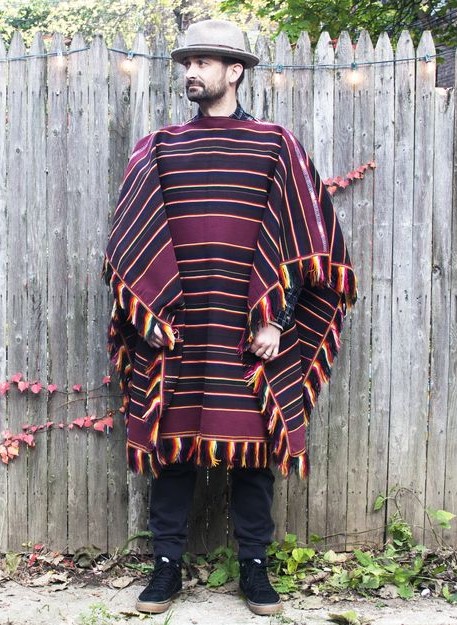
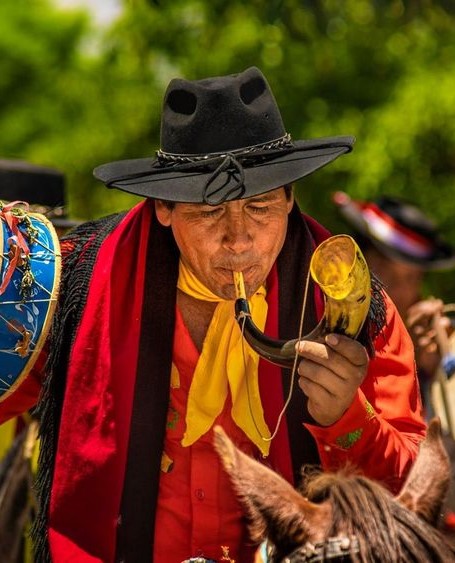
The Tarabuco poncho is a knee-length woven garment, usually deep red or black, decorated with narrow horizontal stripes. Made from handwoven wool, it is worn over the shoulders like a cloak. Popular in the Tarabuco area, it holds ceremonial importance and is often seen during festivals. Its bold color symbolizes strength, community pride, and historical resistance.
5. Balandrán Poncho
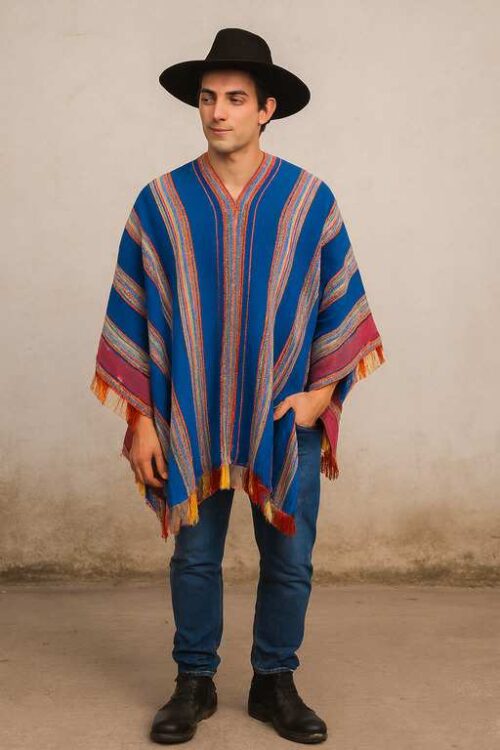
The Balandrán poncho is distinguished by its vertical stripes, unlike most Andean ponchos. Made from wool, it drapes symmetrically over the body with a central head opening. The vertical pattern gives it a formal appearance, often worn during important ceremonies. It reflects regional weaving traditions and shows how subtle design changes can carry strong cultural meaning.
6. Bolivianite (Ametrine) Jewelry
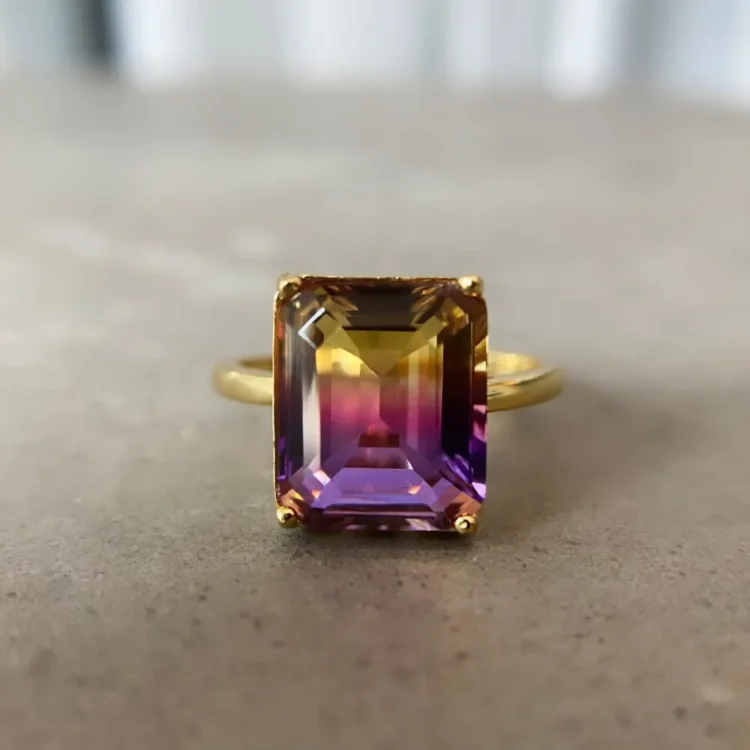
Bolivianite, also called ametrine, is a rare gemstone found only in Bolivia. It naturally combines purple amethyst and golden citrine in one crystal. Cut into rings, pendants, and earrings, it is prized for its dual color. Beyond beauty, it represents Bolivia’s geological uniqueness and is considered one of the country’s most important jewelry exports.
7. Yampara Leather Hat (Tarabuqueño Hat)
The Yampara leather hat, often called the tarabuqueño, is a helmet-like hat made from thick leather. It has a rounded crown and sometimes decorative stitching. Traditionally worn by Yampara men, it reflects pre-Columbian warrior symbolism. Durable and protective, it is one of Bolivia’s most distinctive indigenous hats and carries deep ancestral significance.
8. Lliclla
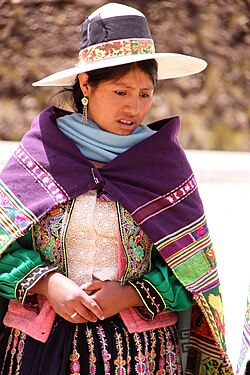
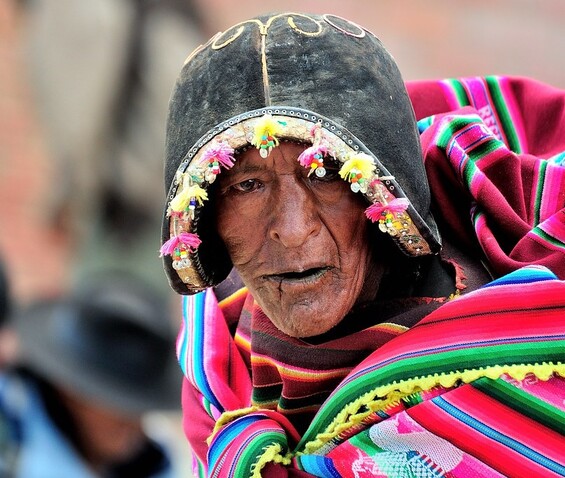
The lliclla (pronounced “YEE-klya” (approximately /ˈʝi.kʎa/), with a soft “y” sound at the beginning and a light “lya” at the end) is a square or rectangular woven shawl worn over the shoulders, mainly by indigenous women. Made from alpaca or sheep wool, it is fastened at the front with a metal pin called a tupu. It provides warmth and elegance and often features symbolic patterns. While shared across the Andes, llicllas are a key part of Bolivian highland dress.
9. Chiquitano Hat (Sombrero de Saó)
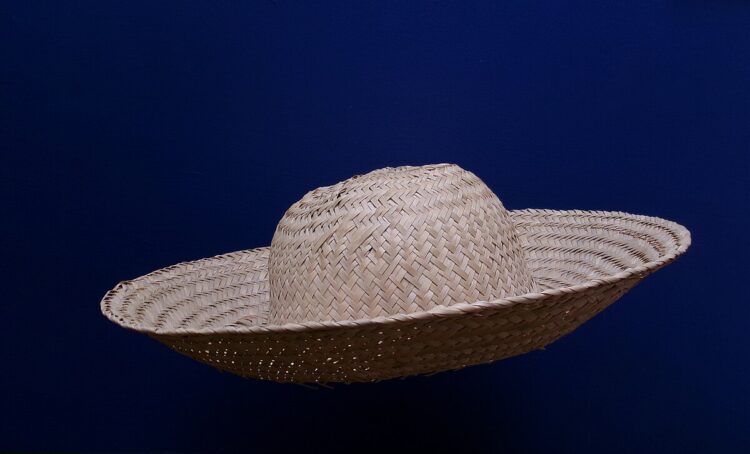
The Chiquitano hat, also known as the Sombrero de Saó, is a straw hat with brims curved upward. Handwoven from palm fibers, it is lightweight and breathable. Worn in eastern Bolivia, it protects against heat and rain. Its curved brim gives it a distinctive silhouette and reflects the craftsmanship of Chiquitano communities.
10. Ayoi (Jaguar Hat)
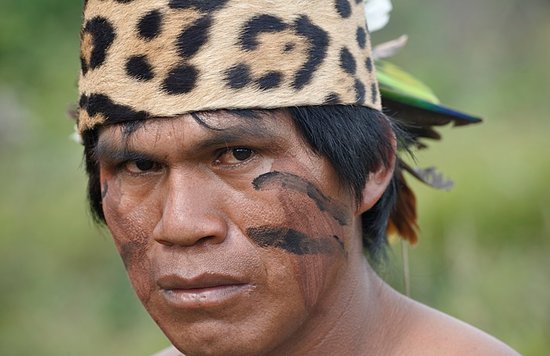
The Ayoi, or jaguar hat, is worn by men of the Ayoreo people. Traditionally made using natural fibers and symbolic animal imagery, it reflects spiritual connections to the jaguar, a sacred animal representing strength and protection. The hat is worn during rituals and ceremonies, not daily life. It embodies identity, cosmology, and respect for nature. Image Source
From the elegant tilt of the Bombín to the vibrant textures of a Tarabuco poncho, Bolivia’s accessory landscape is a vivid celebration of culture, history, and craftsmanship. Each piece tells a story, carrying centuries of tradition while inspiring modern style. Whether you’re drawn to intricate jewelry or the bold statement of a Chiquitano hat, exploring Bolivian fashion accessories is a journey into the heart of the Andes—and a reminder of how style can speak across generations.