
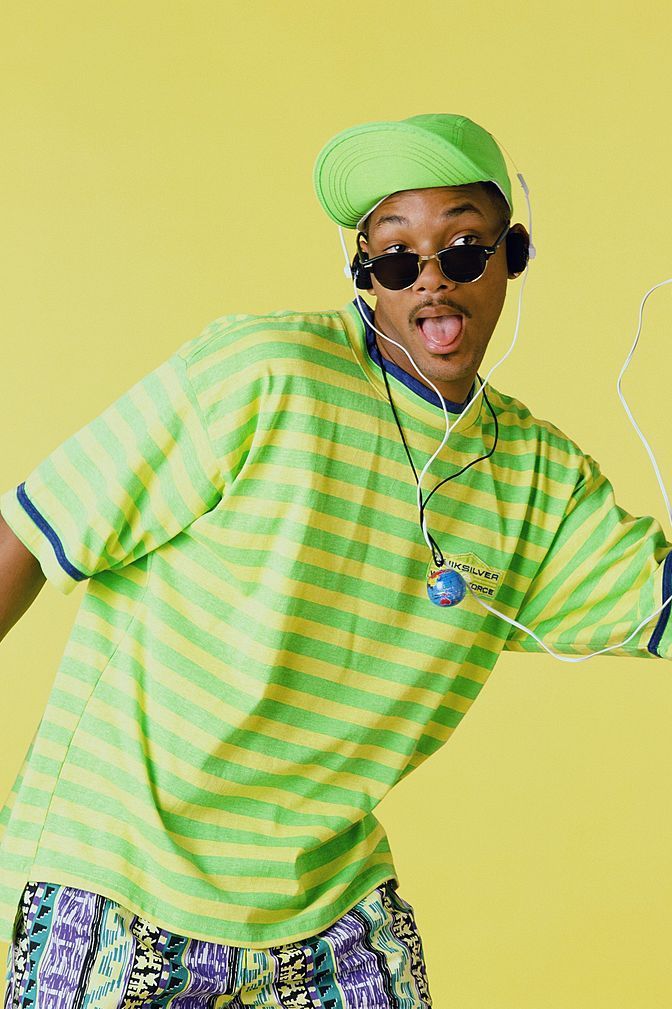
The 1990s were a glorious contradiction — loud yet laid-back, futuristic yet deeply nostalgic. It was a decade obsessed with self-expression, bold colors, and playful throwbacks, all while nervously peeking toward the promise of the 21st century. From hip-hop bravado and grunge nonchalance to metal edge, rave euphoria, and polished preppy cool, the era’s dominant aesthetics collided beautifully. Tech accessories were still in their infancy, but the seeds were there — blinking, beeping, and hinting at a wearable future. What truly exploded was fashion accessories. We’re diving into 12 iconic 1990s Fashion Accessories that defined the decade’s bling and pizzazz. Let’s go.
Snapback Caps
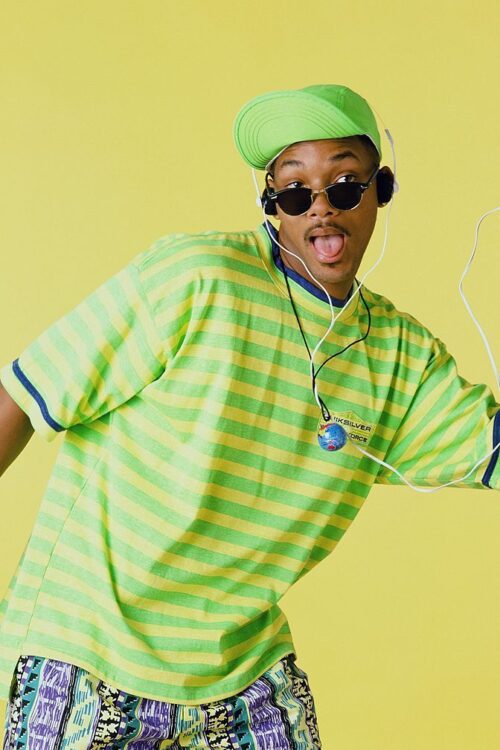
Snapback caps are flat-brim baseball hats with adjustable plastic snaps at the back, making them both practical and customizable. In the 90s, they were worn forward, sideways, or cocked at an angle, often paired with oversized tees and baggy jeans. Hip-hop artist Ice Cube memorably rocked snapbacks, cementing them as a hip-hop essential. Will Smith famously rocked neon-patterned snapbacks on The Fresh Prince of Bel-Air, making them a household staple. The accessory belonged squarely to the hip-hop and urban streetwear aesthetic, symbolizing attitude, crew identity, and regional pride. Brands like New Era, Starter, Mitchell & Ness, and Nike dominated the scene, turning team logos into cultural badges rather than mere sports merch. Image Source
Bandanas and Headbands
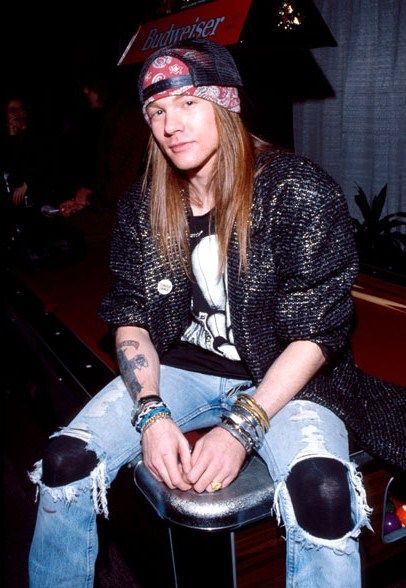
Bandanas and headbands are square or strip-style cloth accessories worn around the head, neck, or wrist. In the 90s, they carried serious cultural weight. Tupac Shakur immortalized the “rabbit ear” style, tying the knot at the front of his forehead while Axl Rose and Bret Michaels popularized the biker chic look with flowing headband bandanas in glam metal and hard rock circles. They were worn flat under hats or as wide sweatbands. This accessory bridged hip-hop, grunge, and metal aesthetics, symbolizing rebellion and individuality. Brands were often secondary, but Nike, Ralph Lauren, Harley-Davidson merch, and custom silk bandanas ruled wardrobes and stage looks alike.
Sports Watches (Casio G-Shock)
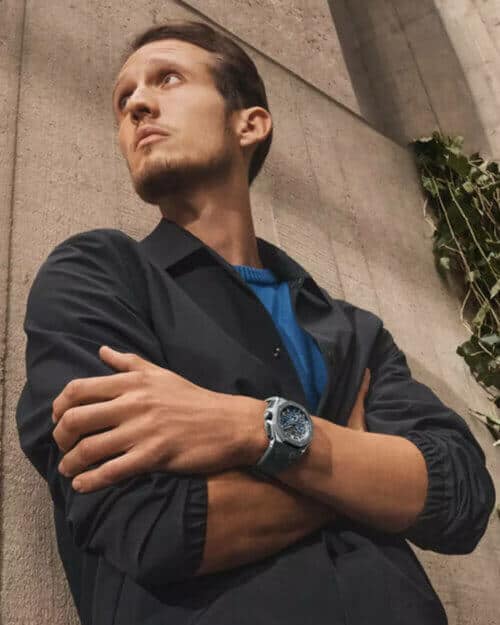
Sports watches are durable, shock-resistant timepieces defined by its “triple-graph” display and chunky resin case. They were built for activity and everyday wear. The Casio G-Shock became the defining watch of the 90s, blending digital displays with near-indestructibility. Worn chunky and unapologetic on the wrist, it suited both streetwear and athletic fits. Eminem later popularized the rugged digital look, but the G-Shock’s rise began earlier within hip-hop and skate cultures. The aesthetic was tech-meets-sport, hinting at wearable technology before it fully arrived. Casio, Timex, and Swatch ruled this space, making the function look effortlessly cool. Image source
Ball Chains
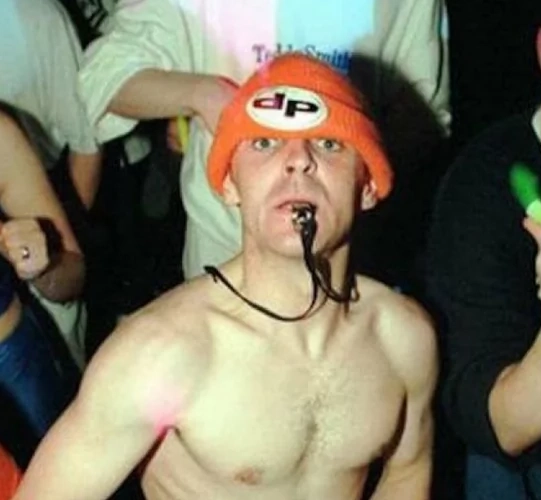
Ball chains consist of small, hollow metal spheres linked by short connector wires, traditionally used for military dog tags. In the 90s, they were reimagined as “chokers” or long necklaces, often carrying alien heads, yin-yang symbols, or music band logos. They were the primary accessory for the Grunge and Mall Goth aesthetics, offering a raw, industrial vibe. Keith Flint of The Prodigy memorably wore thick versions, cementing their “edge.” While mostly unbranded “bin finds” at shops like Hot Topic, they were the definitive DIY accessory for the alternative youth.
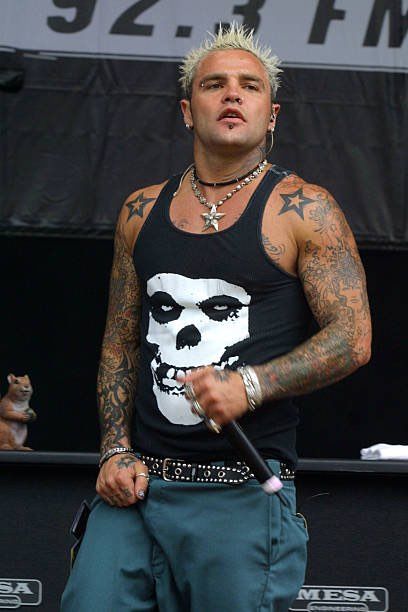
Gold Rope Chains (Dookie Chains)
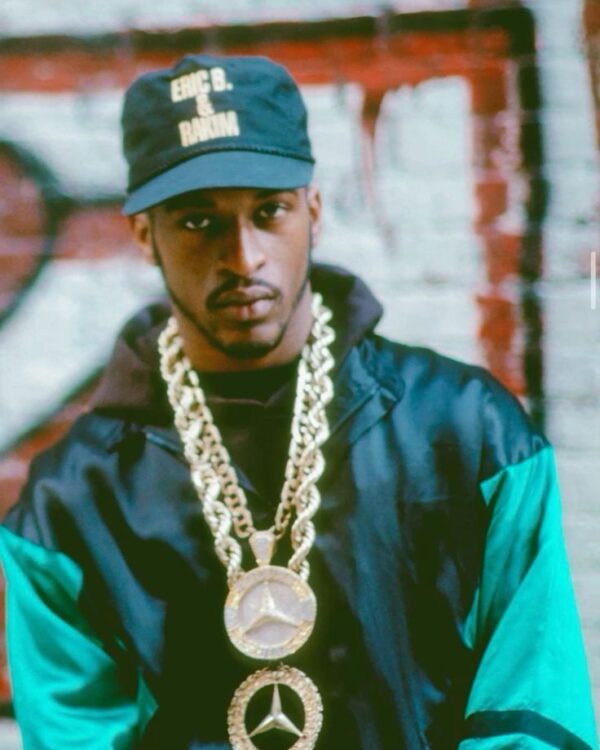
Also known as “Dookie Chains,” these are thick, intertwined necklaces made of multiple strands of gold, creating a rope-like texture. They were worn heavily around the neck, often stacked, to project power and “street royalty.” This accessory defined the Golden Age Hip-Hop aesthetic, representing a hard-earned transition from poverty to wealth. The Notorious B.I.G. famously rocked massive rope chains with Jesus pieces, setting the standard for rap opulence. While custom-made by legendary jewelers like Tito the Jeweler, they became the universal visual shorthand for hip-hop success.
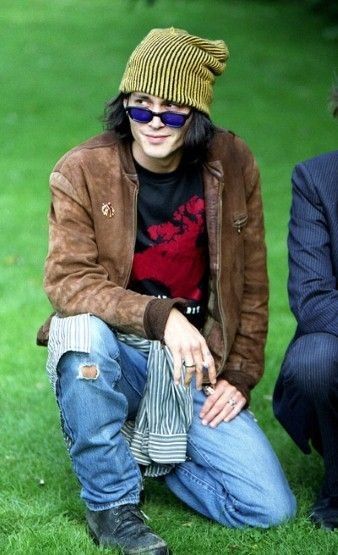
The Flannel Shirt (Tied to the waist):
In the 90 the flannel, a soft, woven fabric shirt featuring a plaid or tartan pattern transcended clothing to become a “uniform of indifference” when tied by the sleeves around the waist of ripped jeans or cargo shorts. This accessory belonged to the street style inspired by the Grunge aesthetic, signaling a low-effort, anti-fashion rebellion born in the Pacific Northwest. Teen heartthrobs of the 90s like Johnny Depp and Joey Lawrence were the icons of this look, often using the tied flannel to add texture and a “slacker” silhouette to their outfits. Brands like Pendleton, Fivebrother, Levis’s, Wrangler and thrifted vintage labels ruled this unkept, rugged scene.
Oval “Clout” Goggles & “Matrix” Sunglasses
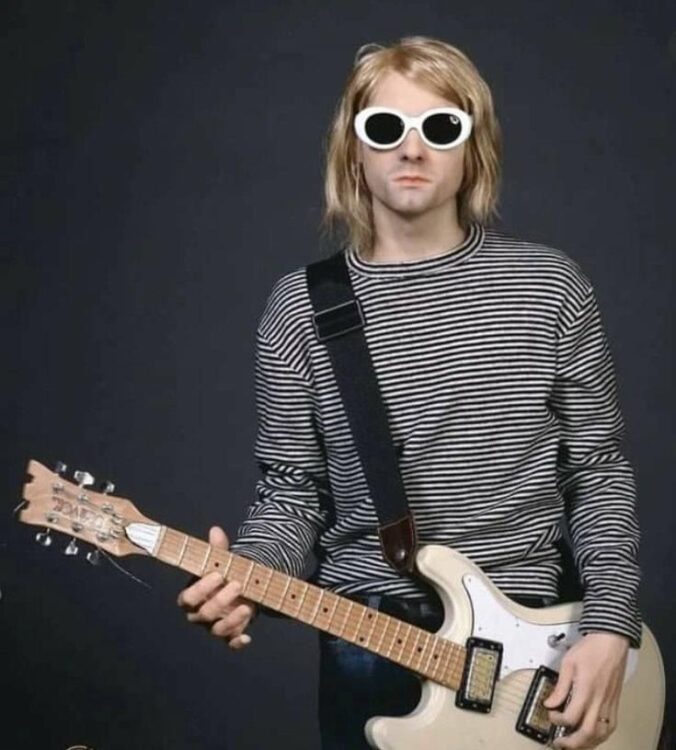
These are thick-rimmed, oval-shaped sunglasses, most famously featuring stark white plastic frames and dark lenses. Worn high on the bridge of the nose, they provided a feminine, avant-garde contrast to the dirty, hyper-masculine elements of rock fashion. They were the crown jewel of the Grunge and Kinderwhore aesthetics. Kurt Cobain memorably rocked the white Christian Roth (Series 6558) models, turning “grandma shades” into a symbol of detached cool. While Christian Roth set the luxury standard, brands like Ray-Ban, Persol, Oakley and countless boardwalk vendors flooded the market with “bug-eye” variations.
Tinted Wraparound Sunglasses
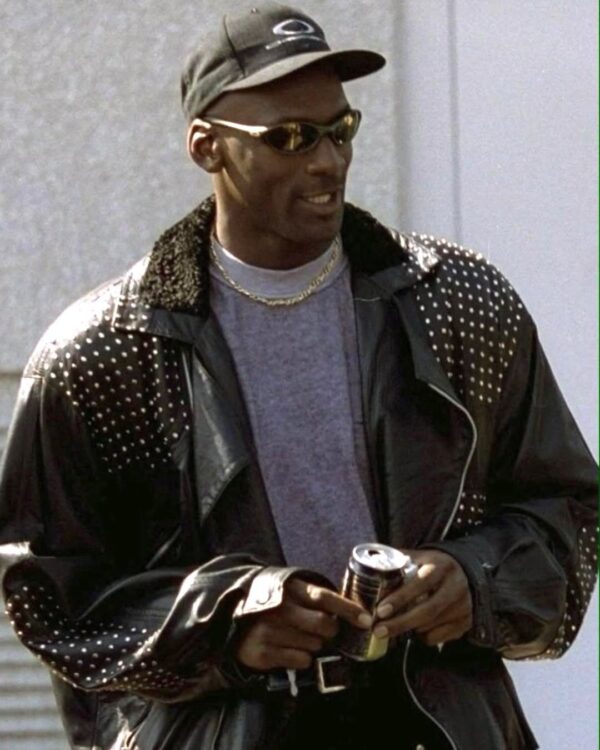
Wraparound sunglasses were aerodynamic, curved frames designed to “wrap” around the contours of the face, often featuring semi‑translucent or brightly tinted lenses (blue, orange, or silver). Worn tight to the head, they were frequently paired with bucket hats or tracksuits to define Euro‑club and cyberpunk cool. Michael Jordan, the basketball great, famously rocked Oakley wraparounds off the court, cementing their crossover appeal from sports gear to fashion statement. Brad Pitt memorably sported orange‑tinted Oakley or Oliver Peoples frames in Fight Club, bridging the gap between sport and grit. Oakley, Bollé, Ray‑Ban, Carrera, and Arnette were the undisputed kings of this scene, providing the “bug‑eye” futuristic look that dominated 90s dance floors and music videos.
Bucket Hats
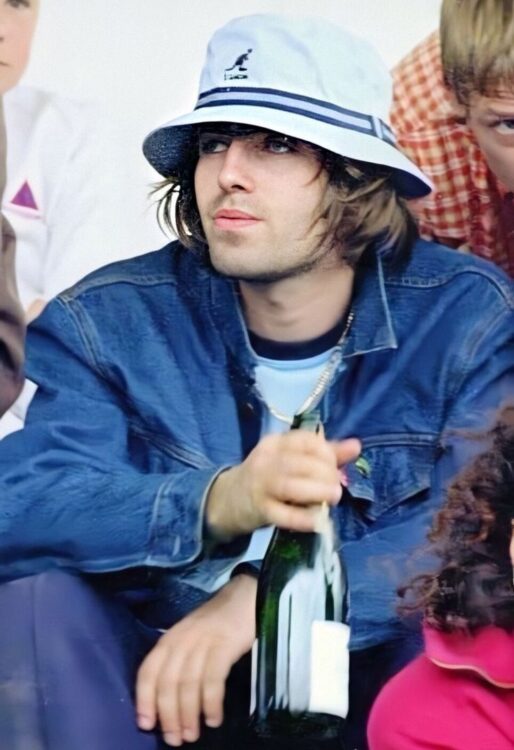
A bucket hat is a wide-brimmed, soft cotton hat with a downward-sloping rim. In the 90s, they were revived from 60s mod culture and updated with psychedelic prints, neon colors, and fuzzy textures. This accessory was a staple of the Britpop and Madchester aesthetics, worn low over the eyes to project a “cool but casual” vibe. Liam Gallagher of Oasis is the most memorable male celeb to rock the look, specifically the Kangol Lahinch model. While Kangol ruled the premium market, sportswear brands like Adidas and Umbro were equally essential for the “football casual” rave crowd. Outfits with bucket hats
Whistle Chains & Kandi Bracelets
Whistles on steel chains were functional noise-makers worn around the neck, while Kandi bracelets were DIY jewelry made of bright “pony beads” featuring letters or patterns. These were worn in layers—sometimes covering the entire forearm—serving as symbols of PLUR (Peace, Love, Unity, Respect). They belonged to the Rave subculture, where ravers would trade Kandi through a specific handshake. While no single celebrity “owned” this collective look, DJs like Frankie Bones helped popularize the ethos. Paul Oakenfold became synonymous with the whistle-and-rave aesthetic. Brands didn’t rule here; instead, the DIY spirit and local craft stores provided the materials for these anarchic symbols. Though Cyberdog, UFO Pants, and club merch vendors helped standardize the look.
Wallet Chains
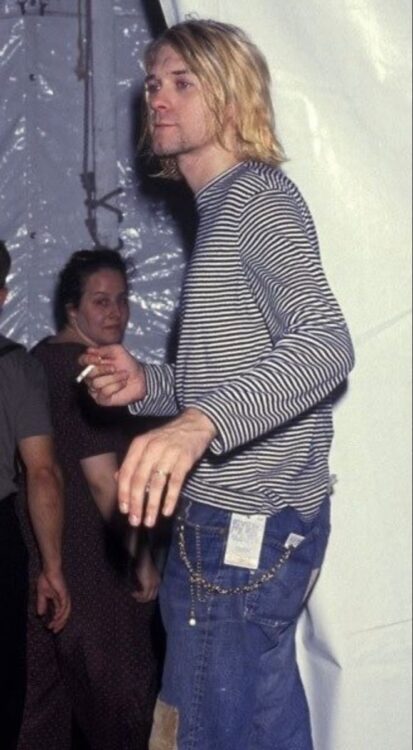
Wallet chains are metal chains connecting a wallet to a belt loop, originally designed to prevent loss. In the 1990s, they shifted from biker utility into a deliberate fashion statement, swinging against baggy denim and oversized cargos. Kurt Cobain offered one of the most iconic grunge-era images with a chain wallet. This style sat at the crossroads of punk, skate, and grunge aesthetics, symbolizing anti-establishment attitude and street practicality. Worn long and heavy, wallet chains added grit to casual outfits. By the 2000s, the accessory peaked in popularity, embraced not only by punk and skate culture but also by hip-hop stars, who integrated chains into the broader bling aesthetic. Retailers like Hot Topic, Vans, Dickies, Stüssy, and skate shop staples helped propel wallet chains into the mainstream, cementing their place as both a subcultural badge and a mass-market trend.
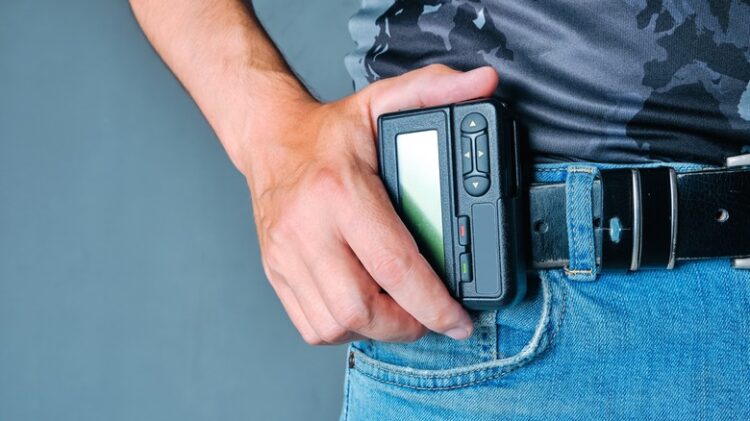
The Beeper/Pager (with Belt Clip)
The beeper is a small, wireless telecommunications device designed to receive numeric codes or short text messages. Worn prominently on the waistband via a heavy-duty plastic belt clip, it transformed from a medical necessity into an urban status symbol of being “in demand.” Jay-Z famously wore pagers, signaling importance and constant demand. It was a cornerstone of the 90s Hip-Hop and Urban Streetwear aesthetics, signaling social importance or “hustle.” Sir Mix-A-Lot famously dedicated an entire song to the device, making it a cultural icon. While Motorola dominated the market, particularly with their “Bravo” and translucent “FreeSpirit” cases that showed off the internal tech, NEC, and SkyTel created their own versions to rival Motorola. Image Source
Taken together, these accessories tell the real story of the 1990s — a decade where identity was worn loudly, casually, and sometimes accidentally. From rave neon to hip-hop gold, grunge indifference to tech curiosity, these details carried attitude more than utility. They didn’t just finish outfits; they defined tribes, moments, and moods. The 90s didn’t accessorize for polish — it accessorized for meaning.
Thanks for sharing this useful information.