
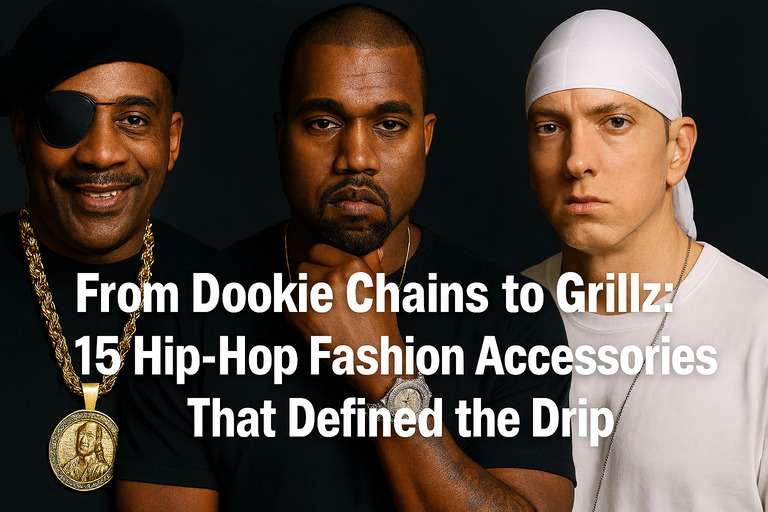
Hip hop has always been about flare, flex, and fearless flamboyance — and rappers, without question, are some of fashion’s boldest, longest-running rebels. Born on the streets of the Bronx and rooted in Black American expression, hip hop didn’t just change music, it rewrote the rules of style. Accessories became weapons of identity: loud, unapologetic, impossible to ignore. We’re talking about the chains, shades, hats, grills, and statement pieces that bring the drip, the oomph, and that unmistakable pizzazz hip hop stands for. These aren’t run-of-the-mill add-ons or trend-chasing extras. They’re armor. Visual bravado. Cultural signatures. From block parties to global stages, these accessories helped turn rappers into icons and street style into a worldwide language. This list celebrates the pieces that didn’t just complete the look — they defined it.
Dookie Chains, Rope Chains & Cuban Links
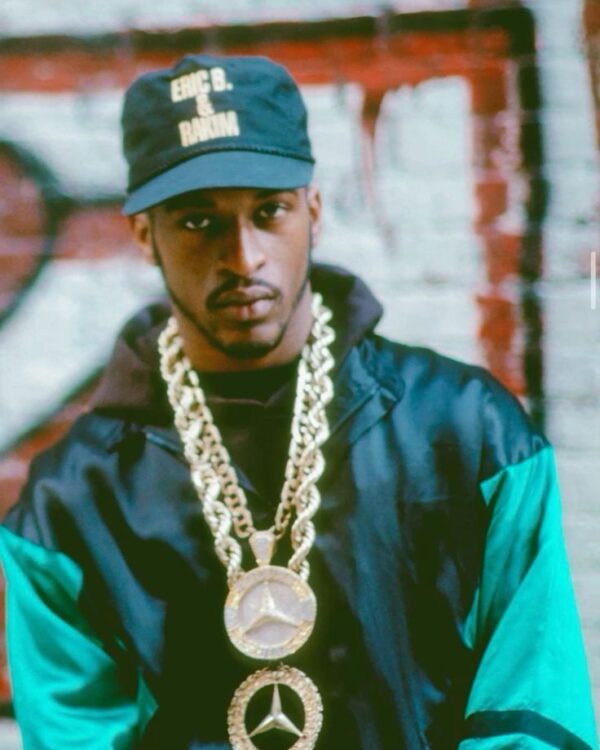
Few accessories announce hip-hop authority like a dookie chain. Thick, oversized, and unapologetically heavy, these chains—often rope or Cuban link in structure—sit wide on the neck and drape boldly across the chest. Crafted traditionally in solid yellow gold, the flex was never sparkle but weight. In the late ’80s and early ’90s, artists like Big Daddy Kane, Eric B. & Rakim, Slick Rick, and LL Cool J turned stacked chains into visual dominance, often worn over leather jackets or tracksuits. As hip-hop evolved, Cuban links tightened in profile, ropes got sleeker, and diamonds entered the picture. But the core meaning stayed intact: visible success, earned loudly, worn proudly.
The Medallions
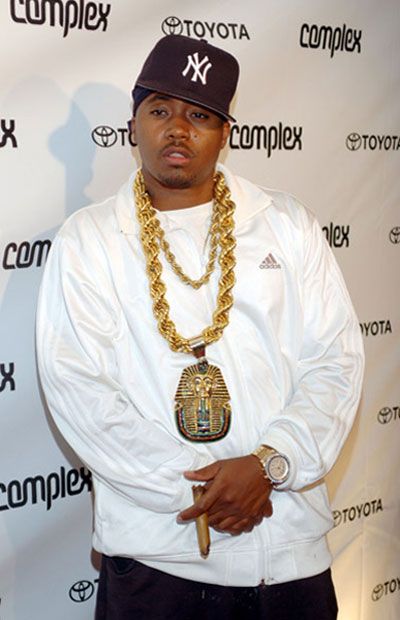
Hip-hop medallions transformed jewelry into storytelling devices. Typically oversized pendants hung from thick chains, medallions took shapes ranging from nameplates, padlocks and zodiac signs to record-label logos, city maps, and custom symbols of power. Made in gold, enamel, or later diamond-encrusted designs, they sat mid-chest—impossible to miss. Flavor Flav’s iconic clock, worn relentlessly with Public Enemy, remains one of the most talked-about medallions ever, turning a functional object into cultural satire. Run-D.M.C., Nas, and Jay-Z later refined the look with custom pieces that marked personal milestones. Over time, medallions evolved from novelty to prestige, becoming one of hip-hop’s most enduring forms of wearable identity.
Bucket Hats
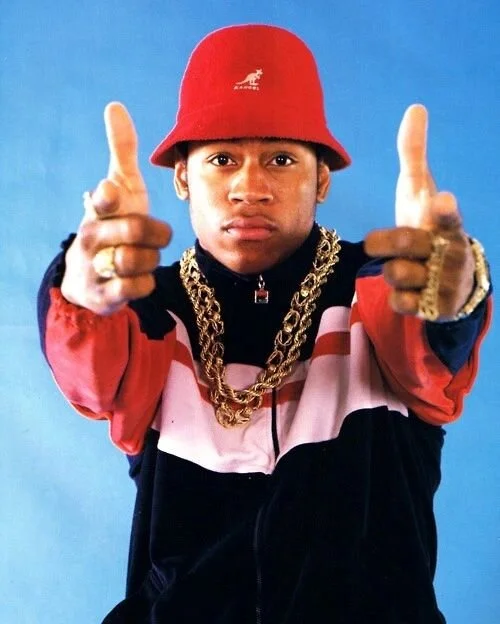
The bucket hat occupies a rare space in hip-hop—casual yet iconic. Defined by its soft crown and downward-sloping brim, it’s usually crafted from cotton twill, denim, or terry cloth, making it practical and effortlessly cool. In the mid-to-late ’80s, LL Cool J turned the Kangol bucket into a signature look, pairing it with gold chains and tracksuits. The hat quickly became a symbol of relaxed confidence and street credibility. Through the ’90s, it crossed into East Coast and later Southern hip-hop aesthetics, reappearing on artists like Nas and Ghostface Killah. Its periodic revivals prove one thing: the bucket hat never chases trends—it patiently waits for them.
Cuban Link Bling
Cuban link bling—whether chains, rings, bracelets, or even watches—expanded the language of heavy links beyond the neck to every part of the body. Thick, interlocking links forged from gold or iced with diamonds became the foundation of this aesthetic. Chains remained the centerpiece, draped across chests as bold status markers, while bracelets and rings translated that same power to wrists and hands, often worn as standalone flexes or paired with chunky timepieces. Substantial in size and weight, these pieces carried a quiet confidence, favored by artists like Jay-Z, Rick Ross, 50 Cent, Drake and later Tyga, who layered Cuban links across multiple accessories. As hip-hop embraced detail-driven luxury in the 2000s, Cuban link jewelry evolved into a subtle flex: less shout, more authority. It signaled that real status didn’t need to scream—it simply showed up solid, link by link.
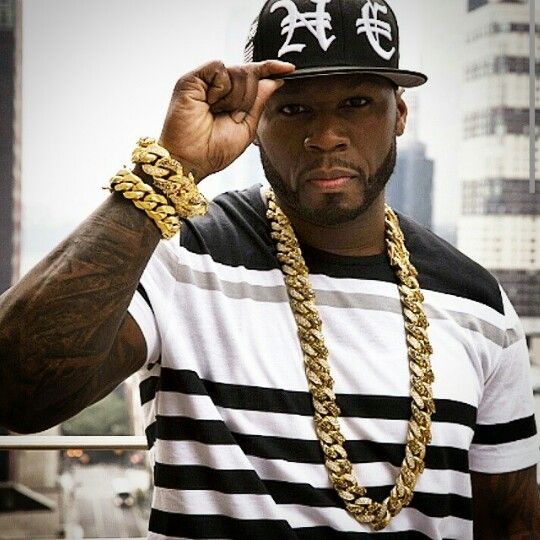
Iced-Out Bling (Chains, Rings, Bracelets & Grillz)
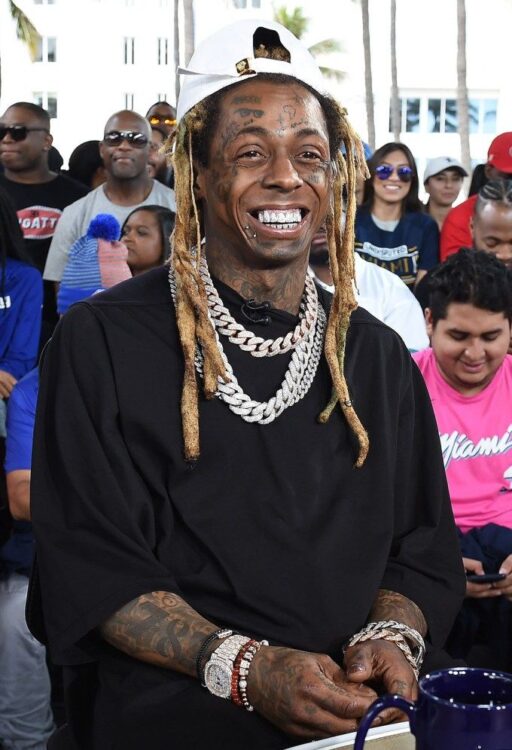
“Iced out” changed everything, which means a piece completely covered in sparkling diamonds or gemstones, giving it a flashy, ice-like shine that symbolizes wealth and success. Diamonds transformed hip-hop jewelry from weight-based flexing to full spectacle. Chains, bracelets, rings, pendants—and eventually grillz—became fully encrusted, reflecting light with every movement. Rappers like Jay-Z, Rick Ross, Drake, Lil Wayne, Soulja Boy, and Boosie Badazz are famously known for flaunting iced-out bling, from diamond chains to custom pendants. The style became a hallmark of hip-hop luxury, symbolizing wealth and authority. Run-D.M.C. are widely considered the fathers of iced-out bling, pioneering the culture of flashy chains and jewelry in rap. Nelly’s early-2000s grill era made iced teeth a cultural phenomenon, sparking equal parts fascination and controversy. Crafted with pavé-set diamonds over gold or platinum, iced-out bling became hip-hop’s answer to haute jewelry. Loud, polarizing, and impossible to ignore—it wasn’t just about wealth, but visibility on your own terms.
Four-Finger Rings / Knuckle Rings
Four-finger rings, often called knuckle rings, bring spectacle straight to the hands. Designed to span across multiple fingers, these bold pieces are usually cast in gold, silver, or fully iced with diamonds, sometimes spelling words, initials, or symbolic motifs. Their flat, wide surface turns every handshake and hand gesture into a statement—perfect for performance-heavy hip-hop culture. Artists like Big Daddy Kane flirted with early oversized hand jewelry, while modern figures such as A$AP Rocky and Rick Ross reintroduced knuckle rings as luxury flexes rather than novelty pieces. Over time, they evolved from flashy costume-like accessories into serious expressions of wealth and dominance, balancing aggression with high fashion refinement.
Cultural takeaway: In hip-hop, even a hand movement can carry power—and knuckle rings make sure it’s seen.
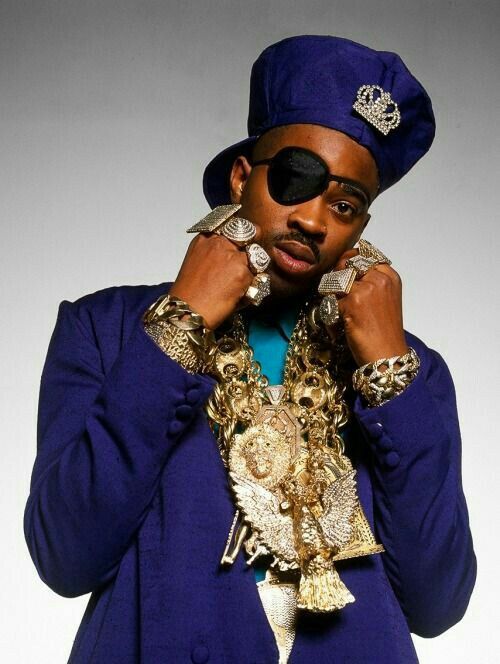
Snapbacks
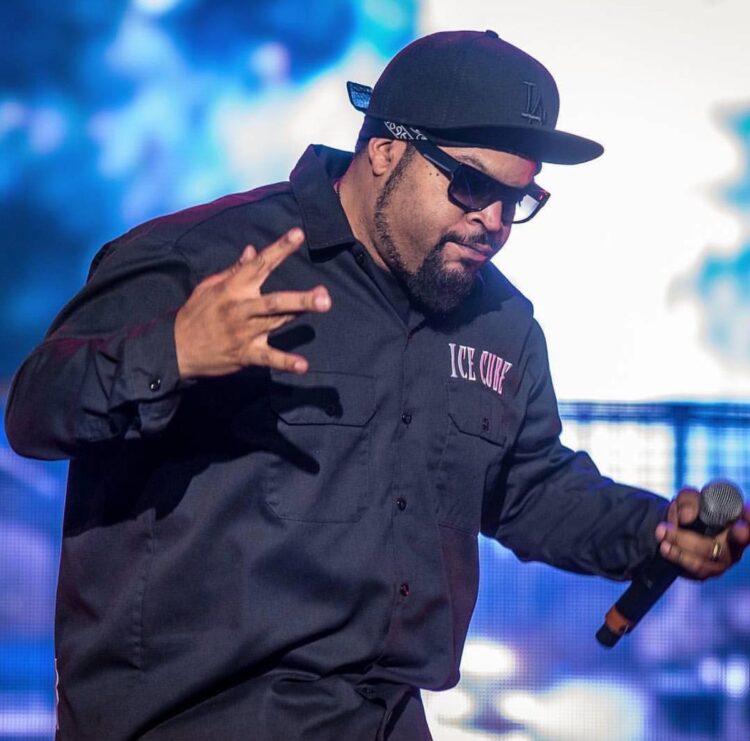
Snapbacks, characterized by their flat brim, structured crown, and adjustable snap closure, are typically made from wool blends or cotton twill, often emblazoned with sports logos, city initials, or brand insignias. In the ’90s, artists like Ice Cube, N.W.A, and later Jay-Z turned snapbacks into street uniforms, worn low, tilted, or perfectly squared. The hat became a badge of allegiance—team, city, crew. As hip-hop went global, snapbacks followed, becoming a universal symbol of street authority and youthful confidence. Even today, their revival proves how deeply they’re embedded in rap’s visual language.
Durags
Originally functional, the durag became one of hip-hop’s most loaded accessories. Made from satin, silk, or velvet, its sleek, close-fitting shape was designed to protect hairstyles and maintain waves. But by the late ’90s and early 2000s, artists like 50 Cent, Nelly, Eminem, Sisqó, and LL Cool J elevated the durag into a public style statement—worn under caps, tied long at the back, or boldly exposed. It came to represent discipline, identity, and pride, especially within Black culture. Over time, luxury versions and bold colors emerged, blurring the line between grooming tool and fashion piece. Few accessories carry such cultural weight with such simple construction.
Cultural takeaway: The durag proves that practicality can become power when culture claims it.
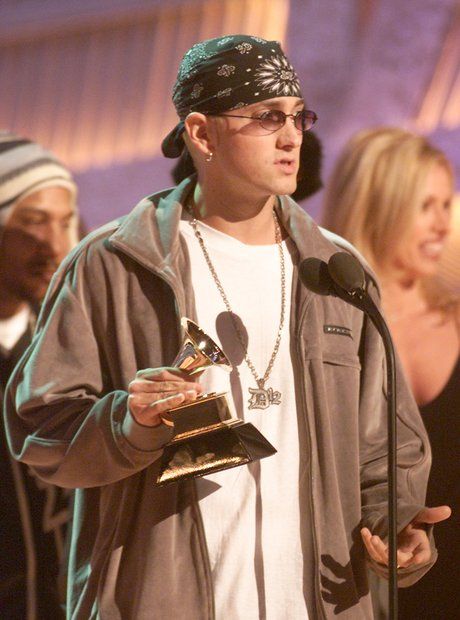
Headbands
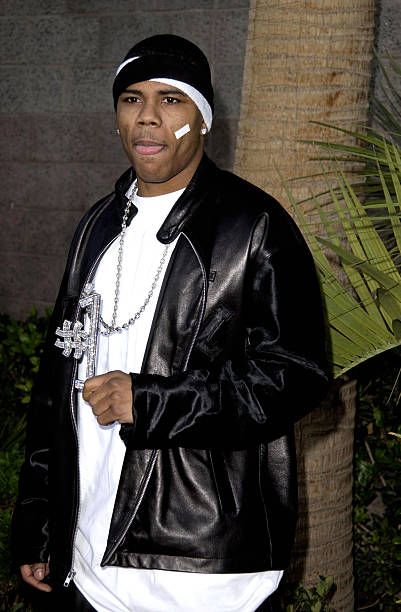
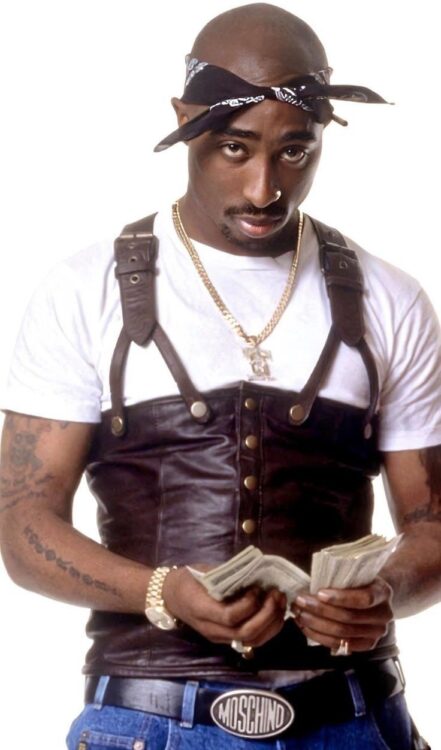
Headbands carved a quiet but confident lane in hip-hop fashion. Typically elastic or cloth-based, worn across the forehead or hairline, they served both sweat control and visual distinction. In the ’80s and ’90s, artists like LL Cool J, Nelly and Tupac Shakur made bandana-style headbands iconic, often paired with shaved heads or braids. Tupac’s knotted bandana look, in particular, became one of hip-hop’s most imitated silhouettes. Over time, headbands evolved into logo-driven, sporty, or minimalist accessories, fitting seamlessly into both performance and streetwear aesthetics. They frame the face, sharpen the look, and add an effortless toughness without trying too hard. image source
Grills (Extravagant Teeth Crowns)
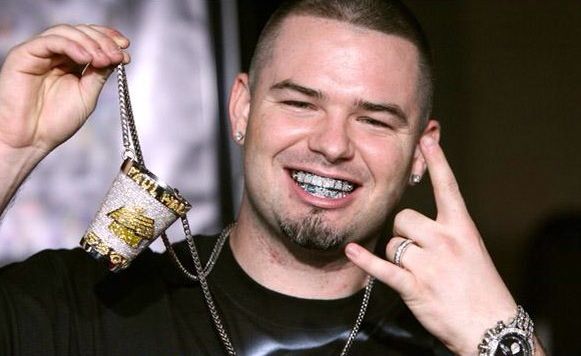
Grills turned smiles into status symbols. These removable teeth coverings come in solid gold, diamond-encrusted, baguette-cut stones, multi-colored gems, and even rainbow finishes, molded precisely to fit the wearer’s teeth. Early versions were subtle, but hip-hop took them to extremes. Nelly’s early-2000s grill era made them mainstream, while artists like Lil Wayne and Paul Wall pushed extravagance to new levels. From single-tooth caps to full-mouth iced sets, grills became performance pieces—flashing under stage lights, cameras, and club strobes. They blurred jewelry and body modification, making the mouth part of the outfit.
Cultural takeaway: In hip-hop, even a smile can flex.
Hip-Hop Iced-Out Wristwatches
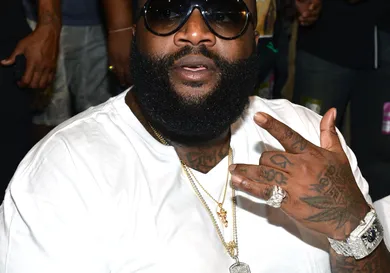
In hip-hop, watches stopped telling time and started telling stories. Oversized wristwatches—often Rolex, Audemars Piguet, Cartier, or custom builds—became canvases for diamonds, fully iced from bezel to bracelet. Heavy in weight and impossible to miss, these watches were worn loose, stacked, or deliberately flashed during performances and interviews. Artists like Jay-Z, Puff Daddy, and later Rick Ross turned luxury timepieces into symbols of control—owning not just money, but time itself. As customization culture exploded in the 2000s, watches became louder, brighter, and more personal. In hip-hop, a watch wasn’t about punctuality—it was about permanence.
Hip-Hop Bandanas (’90s Statement Prints)
Bandanas moved from utility to icon during ’90s hip-hop’s visual peak. Typically square cotton cloths, they were worn folded into triangles or strips—tied around the head, wrist, neck, or tucked into pockets. Beyond classic paisley, hip-hop embraced pirate motifs, skulls, flames, and aggressive prints, giving bandanas an edge. Artists like Tupac Shakur transformed them into instantly recognisable signatures, often knotted front-facing or styled as headbands. This incredibly versatile fashion acccessory called a bandana carried layered meaning—street affiliation, rebellion, and self-definition—while still functioning as versatile accessories. The bolder the print, the louder the message.
Cultural takeaway: In hip-hop, a simple cloth can speak volumes without saying a word.
Fat or “Phat” Shoelaces
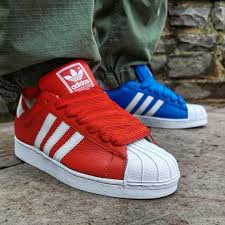
Fat shoelaces proved that even sneakers could flex. Extra-wide and often brightly colored, these laces were threaded through Adidas shell-toes, Nike Air Force 1s, and other street staples. Made from thick cotton or nylon, they added bulk and contrast, sometimes worn loose or unlaced altogether. Run-D.M.C. famously elevated lace styling into a cultural statement, turning footwear details into visual rebellion. Over time, lace color choices—white, gold-tipped, neon—became deliberate fashion decisions. What began as a small styling tweak grew into a defining detail of hip-hop sneaker culture.
Cultural takeaway: Hip-hop taught fashion that no detail is ever too small to matter.
Dog Tag Pendants
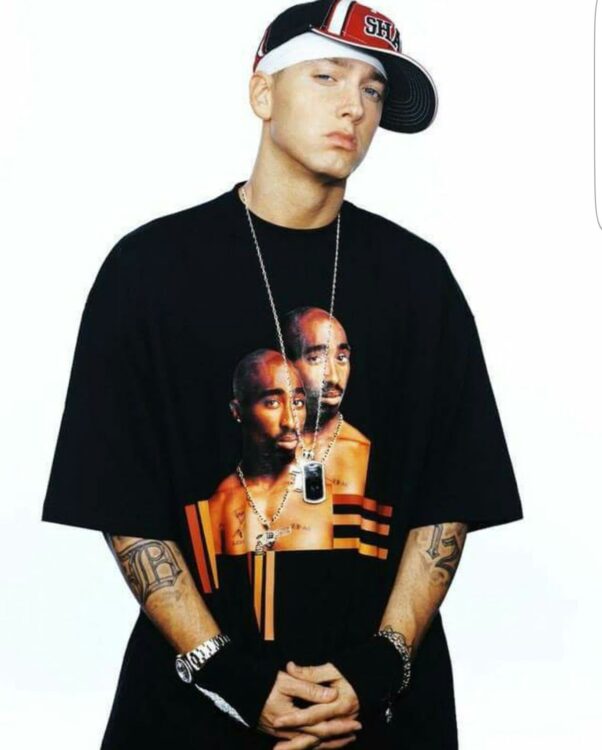
Dog tag pendants brought military symbolism into hip-hop’s emotional vocabulary. Traditionally rectangular metal tags on ball chains, they were crafted from stainless steel, silver, or later gold and diamonds. Worn singly or stacked, dog tags represented survival, loyalty, and remembrance. Artists like Eminem, Nelly, DMX and Nas wore them with stripped-back outfits, giving the accessory a raw, grounded presence. Over time, customization entered the picture—engraved names, symbols, or iced finishes softened the military edge while preserving its meaning. Dog tags became reminders of struggle, brotherhood, and resilience in a genre rooted in lived experience.
Cultural takeaway: In hip-hop, dog tags aren’t about rank—they’re about real life.
Padlocked Silver Chains
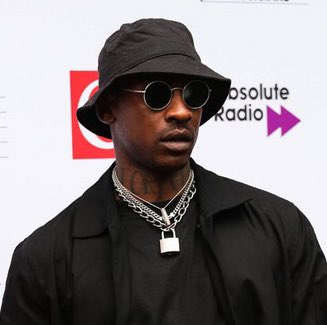
Padlocked chains introduced symbolism into simplicity. Typically made from silver or steel, these chains featured functional or decorative padlocks, worn mid-chest or layered with other necklaces. The look carried undertones of confinement, protection, and guarded identity. Artists like Skepta (early era) and underground rappers embraced padlocks as metaphor—locking in self-worth while keeping the world at a distance. Unlike gold-heavy pieces, padlocked chains leaned minimalist yet meaningful. Their quiet defiance resonated with artists who preferred symbolism over spectacle.
And just like that, we’ve reached the final piece of bling in a journey that defined drip across decades. From heavy gold to iced brilliance, every accessory told a story. Now it’s your turn—what’s your favorite flex, and which piece deserves a spot here? Drop a comment and let us know.
Pretty section of content. I just stumbled upon your website and in accession capital to assert that I acquire actually enjoyed account your blog posts. Anyway I’ll be subscribing to your feeds and even I achievement you access consistently rapidly.