
Neckties have been hanging around men’s necks (and women’s too) for far longer than most of us realise, and very few accessories have managed to stay this relevant, this visible, and this endlessly adaptable. Peek into almost any wardrobe built around formal or smart dressing and you’ll spot a small line-up of ties patiently waiting their moment. From boardrooms and weddings to uniforms and unapologetic style statements, the necktie remains one of the most widely used—and instantly recognisable—fashion accessories in the world. Over time, this seemingly simple strip of fabric has developed an impressive range of personalities and purposes. Yes, ties can be knotted in countless ways—Full Windsor, Half Windsor, Pratt, Eldredge, and plenty more—but this isn’t a knot tutorial (your fingers can relax). We’re diving into something far more interesting: the types of neckties themselves. Likely born as a practical way to keep collars closed against biting winds and taking recognisable shape with the jabot in the 19th century, the necktie has grown into a remarkably diverse piece of neckwear. In this article, we unpack 35 types of neckties, neatly organised into five clear categories, to show you what sets each one apart—and to prove that a tie is never just “a tie”… even when it’s trying very hard to be.
The “Mainstream” Staples.
The “Mainstream” Staples focus squarely on the classic long necktie—the familiar straight, fabric strip that defines modern formal and smart dressing. This category isn’t about knots, colours, or surface patterns like houndstooth, plaid, polka dots, foulard, or ancient madder. Instead, it explores how the long tie itself changes in structure, width, construction, and proportion. Let’s get started.
Long Necktie / Standard Necktie
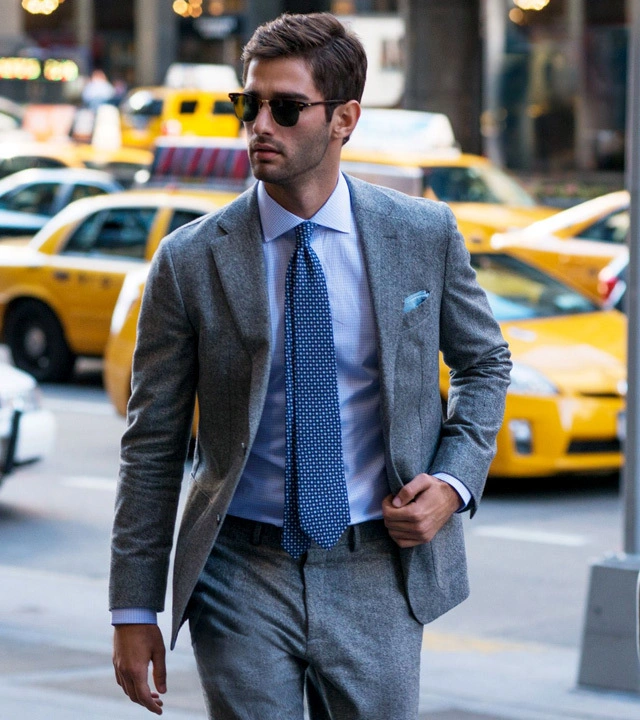
The long necktie, or standard tie, is the classic straight strip of fabric extending from the collar to mid-torso. Its hallmark is versatility, accommodating countless widths, lengths, patterns, and textures. Originating from 17th-century European cravats, it evolved into the modern tie worn worldwide. Primarily used in business, formal, and smart-casual settings, it serves as the quintessential symbol of professional elegance while remaining adaptable to personal style.
Repp Tie & Regimental Tie
Repp and regimental ties are closely linked: both feature diagonal stripes, but each has a unique identity. Repp ties refer to the ribbed repp silk weave, while regimental ties denote association with regiments, clubs, or schools. Originating in British military and club traditions, they convey heritage and status. Typically worn in formal or semi-formal settings, these ties combine structure, symbolism, and classic style, remaining timeless staples of menswear. Image Source

Seven-Fold Tie
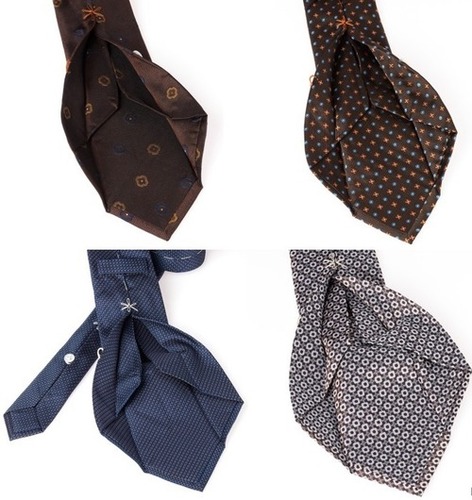
The seven-fold tie is a luxurious, hand-crafted long tie made entirely from a single piece of silk folded seven times without an interlining. This construction creates a rich, substantial feel, with natural drape and enhanced knot structure. Originating in Italy, it is a mark of fine craftsmanship. Worn in formal and high-end sartorial contexts, it signals sophistication and a dedication to tradition, making it a prized accessory for style connoisseurs.
Knit Tie
The knit tie is defined by its textured, often square-ended knit construction, usually made from silk, wool, or cotton. Unlike smooth silk ties, its open-weave structure gives a casual, relaxed aesthetic while retaining formality in smart-casual outfits. Originating in early 20th-century Europe and popularized mid-century, it is worn both in offices and social settings, offering a subtle, approachable alternative to standard ties while adding tactile interest and visual variety.

Grenadine Tie
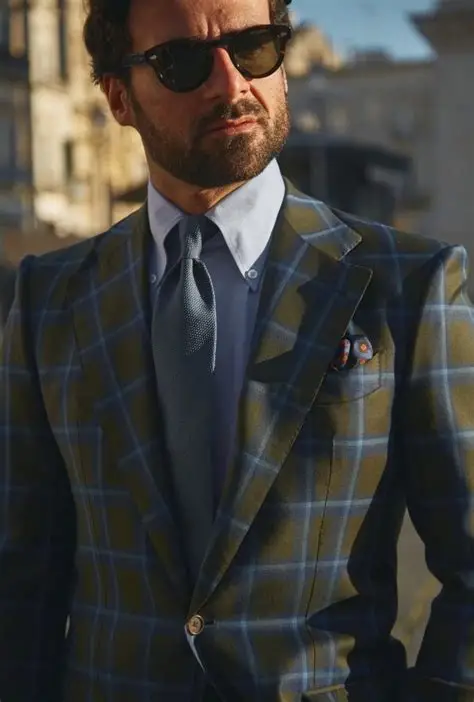
The grenadine tie is distinguished by its loose, open-weave silk construction, producing a soft texture and elegant drape. Its breathable fabric and subtle sheen make it a luxurious yet understated accessory. Originating in Italy, particularly from refined Milanese craftsmanship, grenadine ties are ideal for formal, business, and ceremonial occasions. The weave enhances knot definition, allowing it to hold classic knots beautifully while offering a sophisticated, tactile contrast to smooth silk ties. Source
Clip-On Tie
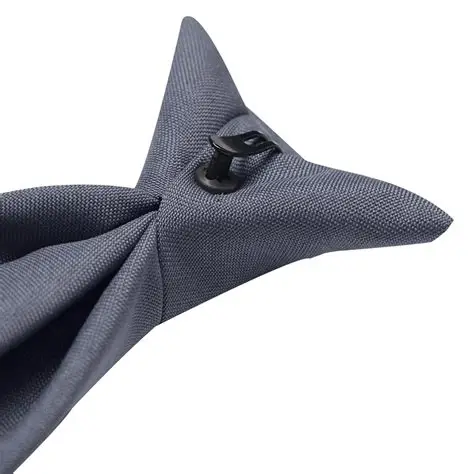
The clip-on tie is a pre-tied long tie that attaches directly to the collar via a clip, eliminating knots. Designed for convenience and uniformed settings, it prioritizes function over fashion. Often used in schools, airlines, and corporate uniforms, clip-on ties offer a polished appearance without requiring tying skill. While lacking the artisanal charm of traditional ties, they provide a secure, consistent, and practical solution for settings demanding uniformity.
Zipper Tie
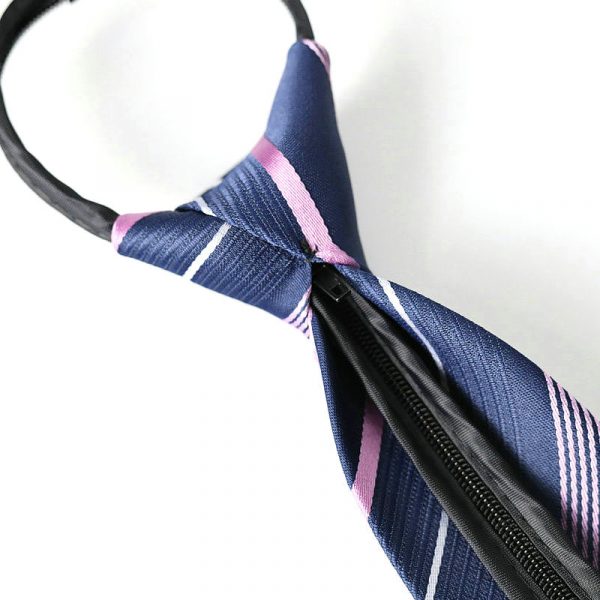
The zipper tie is a pre-tied, adjustable long tie featuring a discreet internal zipper mechanism. This allows the wearer to quickly slip the tie on and adjust its length to the collar. Popular in corporate, school, and hospitality environments, it offers efficiency and uniformity without compromising a formal appearance. While less traditional than hand-tied ties, zipper ties provide a reliable, professional look for daily use or occasions demanding speed and practicality.
The Battle of the Lengths and Widths (Silhouette)
The Battle of the Lengths and Widths (Silhouette) is where the long necktie’s personality truly shows itself. This category is all about proportion—how wide a tie spreads across the chest, how long it hangs, and how those choices instantly anchor it to a specific era or attitude. It’s not about colour, fabric, or pattern, but about silhouette and visual balance. From razor-sharp narrow profiles to exaggerated statement widths, these ties prove that size alone can define style.
Skinny Tie

The skinny tie is a narrow, streamlined version of the classic long tie, typically 1.5–2.5 inches wide. Originating in the 1950s and resurging in the 2000s, it conveys a modern, youthful aesthetic. Its slim silhouette pairs best with tailored jackets and slim collars, emphasizing a minimalist, sharp style. Popular in both casual and semi-formal settings, the skinny tie makes a bold fashion statement while retaining the essence of traditional neckwear.
Kipper Tie
The kipper tie is an exaggeratedly wide long tie, often 4.5–5 inches or more, popularized in the 1960s and 1970s in Britain. Typically made from silk or polyester, it has a bold presence across the chest, often paired with patterned suits. Known for its dramatic visual impact, it was a hallmark of retro mod and disco styles. Today, it’s a vintage-inspired accessory celebrating flamboyance and stylistic daring.
The Short Tie
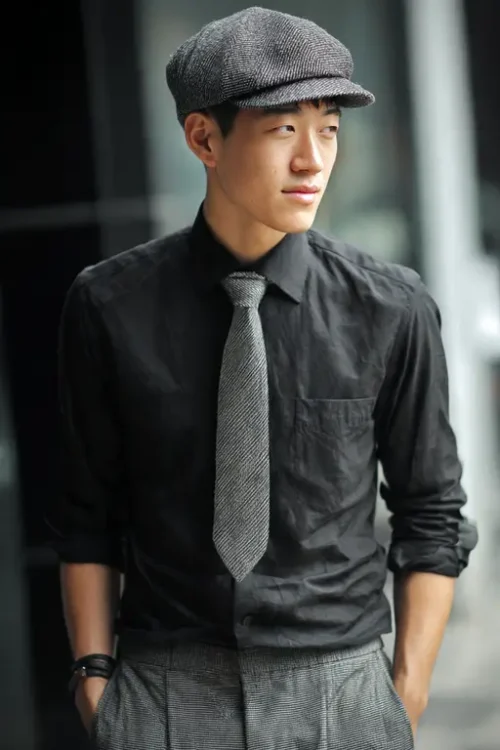
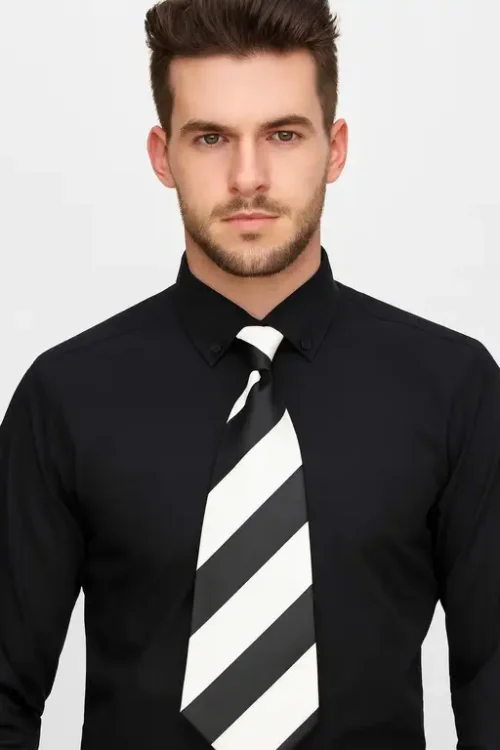
The short tie is a reduced-length necktie, usually ending just above the beltline or at the waist, designed for proportion with shorter torsos or high-buttoned shirts. Historically used in school uniforms and certain European formalwear, it offers practicality and a neat visual balance. Its compact size makes it suitable for casual or semi-formal outfits where the full-length tie may overwhelm the wearer or garment, blending tradition with a tailored, tidy look.
The Square-End Tie
The square-end tie features a straight, blunt tip instead of the traditional pointed end. This subtle structural difference affects its drape and silhouette, offering a contemporary or minimalist look. While rooted in mid-20th-century European tailoring, it remains a modern alternative to classic pointed ties. Worn in both professional and semi-formal settings, the square-end tie emphasizes geometric precision and clean lines, making it a distinctive yet understated variation of the long tie.

The Ancestors, historical and Vintage Styles.
The Ancestors: Historical and Vintage Styles takes us back to the origins of the necktie, exploring the pieces that laid the groundwork for modern neckwear. This category isn’t about knots or patterns—it’s about heritage, form, and ceremonial purpose. From the ornate jabot to the structured stock tie, and from formal ascots to the versatile cravat, these ties reveal how history shaped the necktie’s evolution and enduring style. They’re a nod to tradition, craftsmanship, and the fashion sensibilities of past centuries.
Jabot

The jabot is an ornamental, lace- or ruffle-fronted neckpiece, originating in 17th-century Europe. Characterized by cascading fabric panels, it was worn over shirts to signify formality and status. Often attached to a band or pinned at the collar, jabots were popular in aristocratic and ceremonial attire. Today, they remain a statement piece in formalwear, academic dress, and historical reenactments, celebrated for their intricate detailing and theatrical elegance.
Stock Tie
The stock tie is a broad, stiff neckband typically worn in equestrian and military contexts. Wrapped snugly around the collar and secured with a pin or knot, it provides both support and formality, originally serving to protect the neck during riding or combat. Its classic white or neutral tones convey elegance, and it remains a staple in modern fox hunting, dressage, and ceremonial uniforms.

Ascot

The ascot is a wide, formal necktie with a folded, scarf-like design, traditionally worn under a shirt collar and fastened with a pin or tie tack. Originating in 19th-century England for formal daytime events, it exudes sophistication and ceremonial flair. Often associated with weddings, horse racing, and morning dress, the ascot emphasizes elegance while offering a softer, more decorative alternative to the standard necktie.
Cravat

The cravat is a long strip of fabric worn around the neck and tied in elaborate knots or folds. Emerging in 17th-century Europe, it was the precursor to modern neckties and bow ties. Cravats signified status, refinement, and sartorial taste, often paired with waistcoats and jackets. Today, they remain in formal or ceremonial use, providing a historical aesthetic and a decorative, highly personal element to men’s and women’s attire.
Regency Tie
The regency tie, also called the neckcloth, is a stiffened, folded strip of fabric popularized in early 19th-century England during the Regency era. Known for its structured form and precise folds, it was tied to accentuate elegance and frame the shirt collar. Historically associated with the style of Beau Brummell, the regency tie emphasizes sophistication and formality, serving as an ancestral link to contemporary long ties and cravats.
Steinkirk (or Steenkirk)

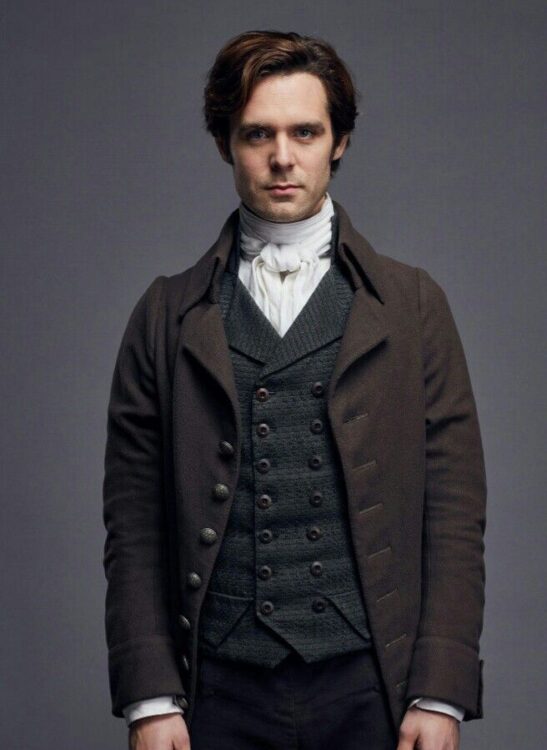
The steinkirk is a loosely twisted or casually draped cravat, designed to be tucked through a buttonhole rather than knotted neatly. Originating in 17th-century Europe, it was a practical solution for soldiers needing a quick, secure neckcloth while retaining a sense of style. Today, steinkirks are worn in historical reenactments or as vintage-inspired accessories, admired for their relaxed elegance and historical military associations. image source
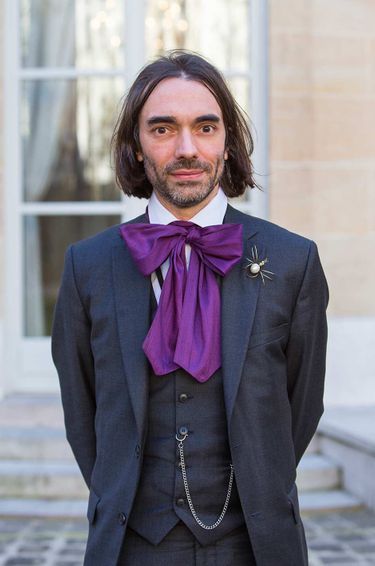
Lavallière / Pussy Bow
The lavallière, or pussy bow, is a soft, flowing necktie tied in a bow, traditionally worn by women or men in formal settings. Originating in 19th-century France, it combines elegance with femininity or gentle sophistication. Characterized by its long ends and loose knot, it became popular in professional attire and high fashion. Today, it appears in blouses, dresses, and formal shirts, bridging historical charm with contemporary style.
Specialty & Novelty Ties
Specialty & Novelty Ties celebrate the necktie’s most distinctive and expressive forms. This category moves beyond the classic long tie to focus on statement pieces, alternative shapes, and regional variations. From the timeless elegance of the bow tie to the Western flair of the bolo tie and the playful charm of ribbon ties, these accessories showcase personality, creativity, and occasions where tradition meets individuality. They prove that ties can be as bold and unconventional as the wearer desires.
Bow Tie

The bow tie is a short necktie tied into a symmetrical bow, typically worn with formal or semi-formal attire. Originating from 17th-century Croatian mercenaries’ cravats and later popularized in European fashion, it is a symbol of elegance and individuality. Bow ties appear in black-tie, academic, and ceremonial contexts, and come in various styles like butterfly, batwing, and diamond point, offering a compact yet highly distinctive neckwear statement.
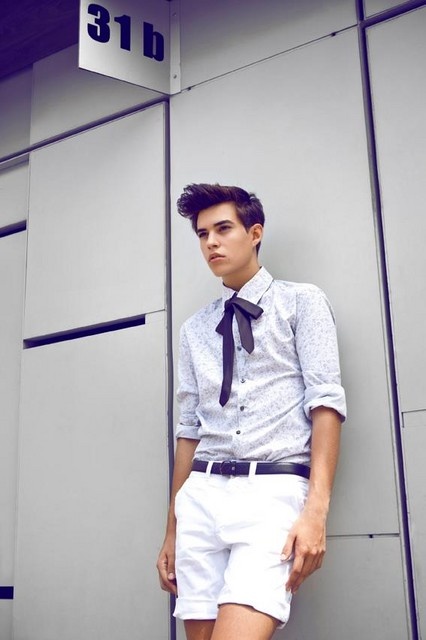
Western Bow Tie / Ribbon Tie
The Western bow tie, or ribbon tie, is a narrow ribbon of fabric tied around the collar, often with pointed or straight ends. Rooted in 19th-century American frontier and cowboy fashion, it combines practicality with decorative flair. Typically paired with Western shirts or denim ensembles, it adds regional character and vintage charm, bridging functional neckwear with stylistic expression for casual, ceremonial, or performance settings.
Bolo Tie Or String tie
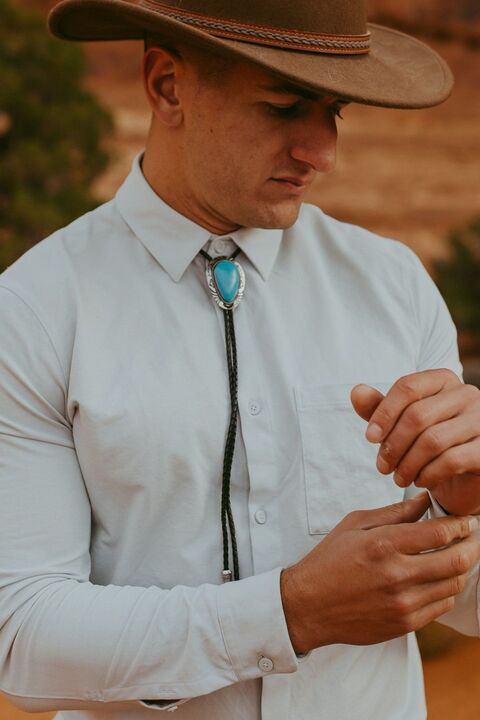
The bolo tie, also called a string tie, bootlace tie, cowboy tie or a lariat tie, is a cord or braided leather neckpiece secured with a decorative slide or clasp, often featuring metal, stone, or ornamental designs. Originating in the American Southwest in the mid-20th century, it became the official necktie of Arizona and New Mexico. Worn with collared shirts, bolo ties convey Western flair and individuality, functioning as both a casual statement piece and a ceremonial accessory, especially in cowboy, country, and Southwestern attire.
Plastron tie
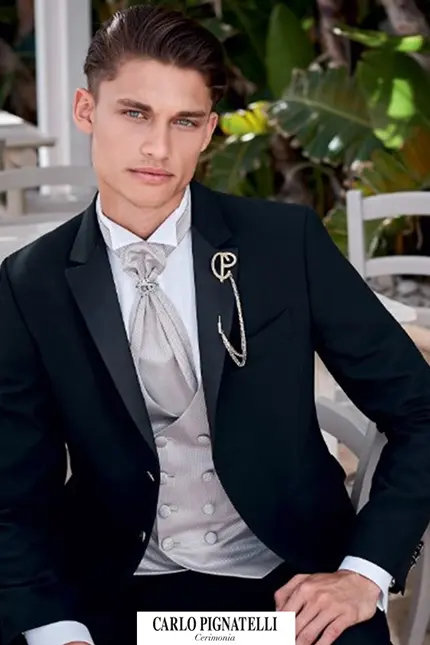
The plastron is a wide, formal neckpiece folded across the chest and secured with a pin or cameo, historically worn in 19th-century Europe. Designed to sit flat over a shirt and waistcoat, it exudes ceremonial elegance, particularly in morning dress or weddings. Its structured form, often embellished, distinguishes it from standard ties. The plastron emphasizes refinement, tradition, and a luxurious aesthetic, making it a statement piece for formal and aristocratic attire.
Continental Cross Tie
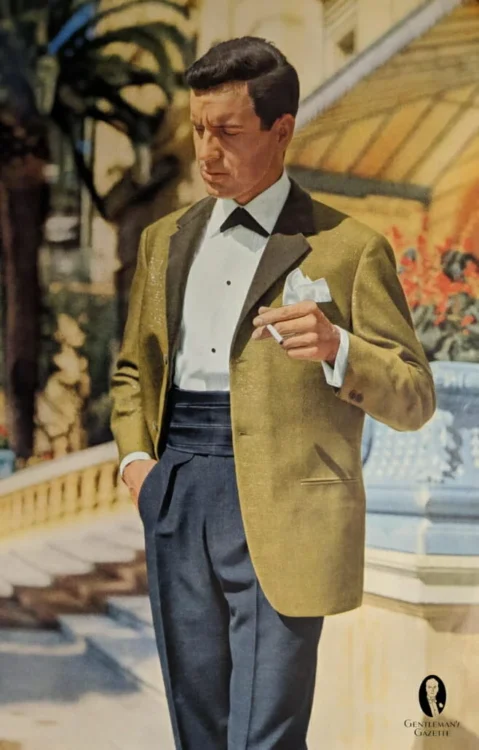
The continental cross tie is a decorative neckband crossing over the chest, often tied with a simple knot or clasp. Popular in continental European formalwear of the 19th and early 20th centuries, it combines structure with ornamental flair. Worn under jackets or waistcoats, it balances elegance with historical authenticity. Though largely ceremonial today, it remains a distinctive alternative to classic long ties, offering a sophisticated, vintage-inspired neckwear option. Image Source
Bandana Necktie
The bandana necktie is a casual, triangular or square cloth folded and tied around the neck, often in a loose knot or bow. Rooted in Western, cowboy, and workwear traditions, it adds rustic charm and a relaxed aesthetic to casual or semi-formal outfits. Bandana ties use vibrant patterns or prints and are practical as well as stylish, bridging heritage-inspired flair with versatile modern neckwear appeal.
Charro Tie
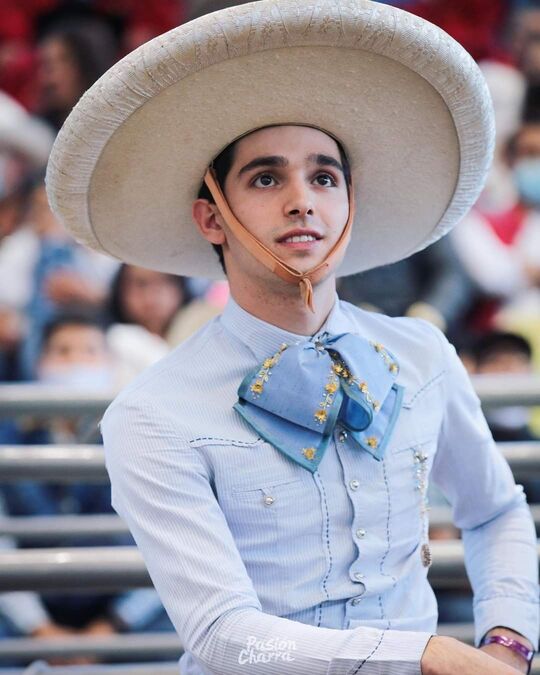
The Charro tie is a distinctive Mexican necktie traditionally worn with the traje de charro, Mexico’s iconic horseman’s suit. Instead of fabric, it often features a wide silk ribbon, leather band, or decorative bow, secured with an ornate silver clasp or brooch. Originating in 19th-century rural Mexico, it reflects equestrian heritage and national pride. Today, the Charro tie is worn during mariachi performances, festivals, ceremonies, and cultural events, symbolising elegance, tradition, and Mexican identity.
D. The Avant-Garde & Alternative Materials.
The Avant-Garde & Alternative Materials category pushes the boundaries of what a necktie can be. Here, it’s not about traditional silk or cotton—it’s about innovation, texture, and unconventional materials. Leather, pearls, beads, and even metallic elements transform the tie from a simple accessory into a statement piece, challenging expectations and adding artistic flair. These ties are for the bold, the experimental, and anyone ready to turn heads with their neckwear.
The Leather Tie
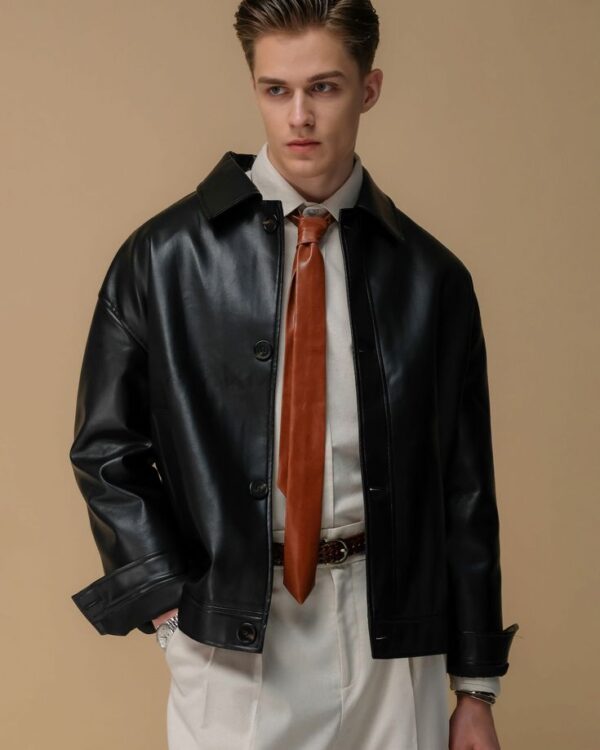
The leather tie is a long or narrow tie made entirely of leather, often smooth or lightly textured. Evoking an edgy, rebellious 1980s New Wave vibe, it’s less about tradition and more about statement. Worn with tailored jackets, punk ensembles, or fashion-forward streetwear, it transforms the tie into a tactile, unconventional accessory. Its durability and unique sheen make it a bold alternative to silk or cotton ties.
Wooden Tie
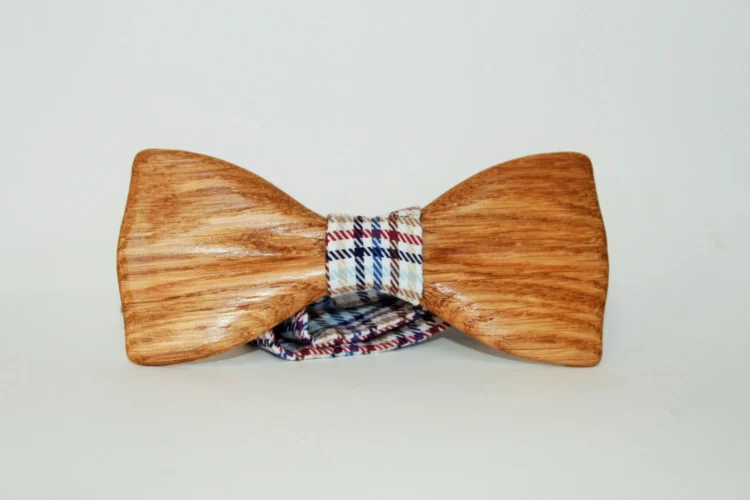
The wooden tie is a rigid, hand-carved neckpiece shaped like a classic long tie or bow tie, often with intricate detailing. Originating from contemporary designer experimentation, it merges craftsmanship with fashion innovation. Worn primarily in avant-garde or formal art-inspired ensembles, it balances sculptural aesthetics with wearable neckwear, turning a functional accessory into a conversation-starting, design-focused statement piece.
Metal / Chainmail Tie
The metal or chainmail tie is a necktie constructed from interlinked metal rings or sheets, creating a shimmering, flexible surface. Often associated with industrial, punk, or avant-garde fashion, it’s a bold statement piece rather than conventional neckwear. Worn in fashion editorials, concerts, or alternative events, the metal tie blends protection-inspired materials with artistry, offering durability, shine, and dramatic texture unlike any traditional fabric tie.

3D-Printed Tie
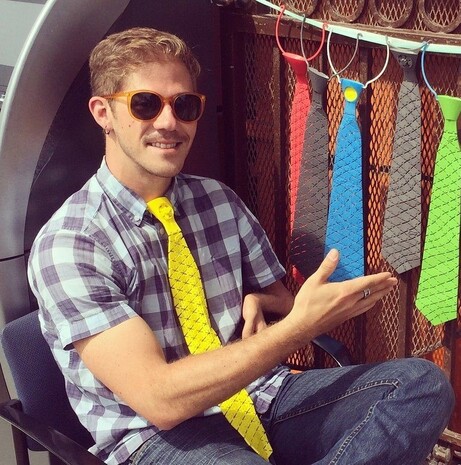
The 3D-printed tie is a digitally designed neckpiece produced via additive manufacturing, allowing intricate geometric, lattice, or organic patterns. Lightweight plastics or composites enable bold sculptural effects. Emerging in the 2010s, it is primarily an avant-garde, fashion-forward accessory, worn by designers, tech-inspired ensembles, or high-fashion events. It pushes the boundaries of neckwear, transforming the tie into a wearable art piece while preserving its symbolic association with elegance.
Hex Tie
The hex tie is a geometric, honeycomb-inspired necktie, often constructed from structured fabric or modern materials. Its distinctive hexagonal motifs create a futuristic, architectural aesthetic. Popular in avant-garde menswear and creative design showcases, it emphasizes innovation in shape and texture, offering a bold alternative to traditional silk or cotton ties while maintaining the classic tie silhouette.

Feather Bow Tie (Organic Luxury)
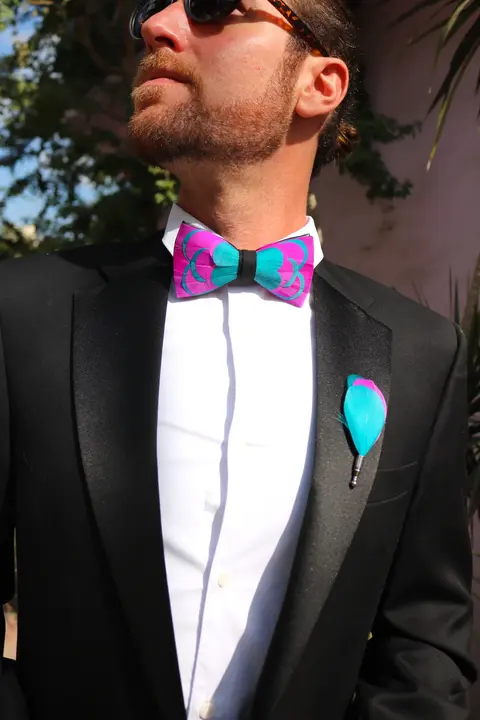
The feather bow tie is a bow tie adorned with delicate feathers, often in natural or dyed tones. Unlike long ties, this accessory focuses on texture, lightness, and flamboyant elegance. Emerging in luxury fashion and avant-garde couture, feather bow ties are worn at gala events, fashion shows, or creative performances. They combine organic materials with traditional neckwear forms, creating a statement piece that is both whimsical and sophisticated.
Beaded or Pearl Tie
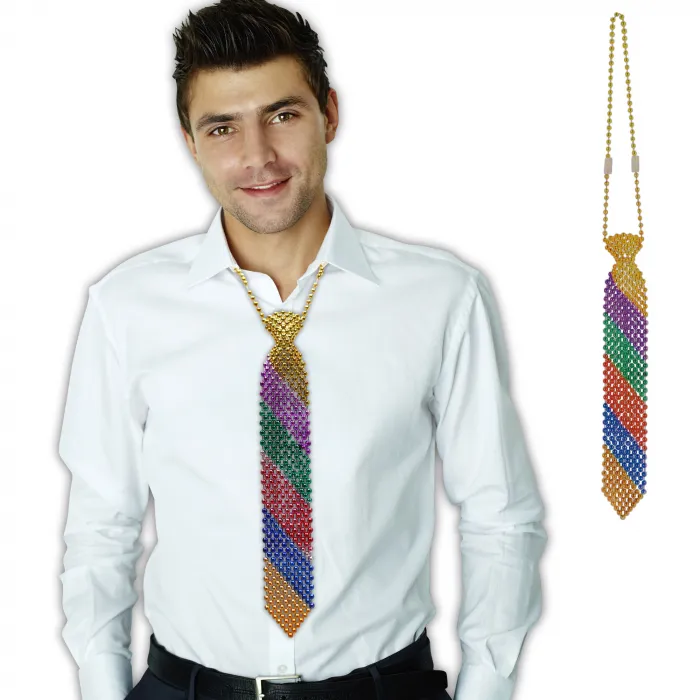
Beaded or pearl ties are decorative neckpieces covered in beads, pearls, or small gemstones, creating a shimmering, tactile surface. Worn in haute couture, ceremonial events, or high-fashion ensembles, they elevate the traditional tie into a luxury statement accessory. The design highlights craftsmanship and artistry while retaining the familiar long tie or bow tie silhouette, merging ornamentation with conventional neckwear function.
Rhinestone or Sequin Tie
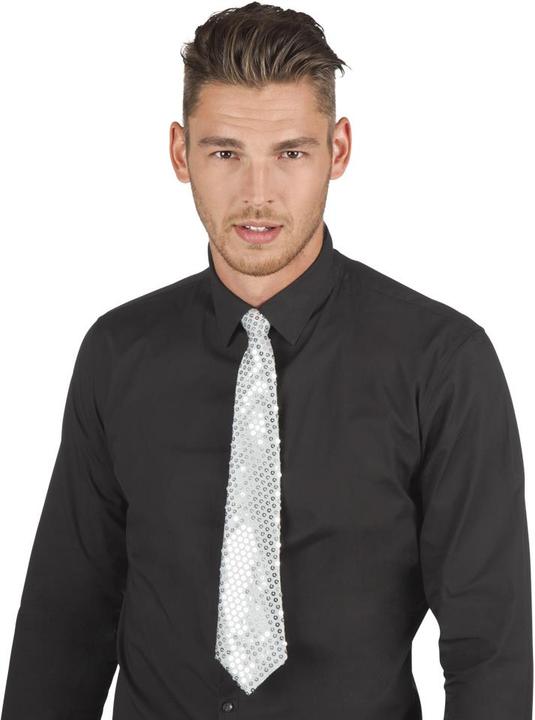
Rhinestone and sequin ties are neckties encrusted with sparkling elements, designed for maximum visual impact. Popular in performance, stagewear, and disco-era fashion, they transform ordinary silk or fabric into glittering statement pieces. Typically worn with tuxedos, costumes, or evening ensembles, these ties combine traditional form with theatrical flair, making them ideal for entertainers, partygoers, or anyone seeking a bold, glamorous accessory.
Glow-in-the-Dark Tie
Glow-in-the-dark ties are fabric neckties infused with phosphorescent or LED materials, popular in rave culture, music festivals, and futuristic fashion statements. They illuminate the wearer in low-light environments, turning a conventional accessory into a playful, eye-catching statement piece. While retaining the classic long tie or bow tie silhouette, glow-in-the-dark ties emphasize entertainment, creativity, and novelty, appealing to youth subcultures and avant-garde nightlife fashion.

Draping Neckerchief Tie
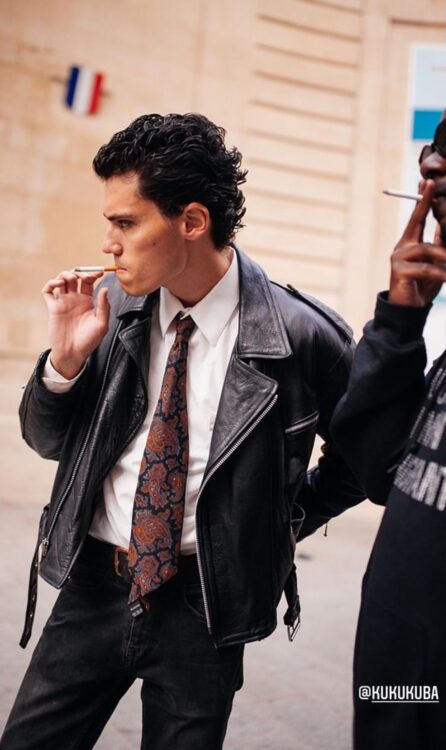
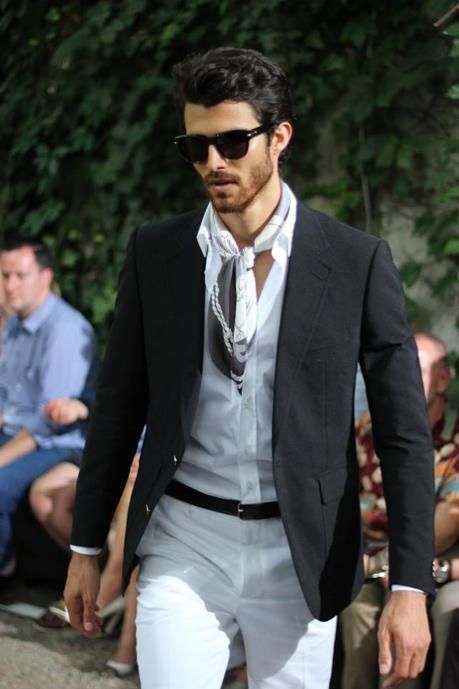
This type of necktie is simply a draping neckerchief tie, a hybrid between scarf and necktie. Made from soft cloth such as silk or cotton, it hangs loosely with one end flowing freely while the other is knotted beneath the collar in the manner of a formal tie. Unlike structured neckties, it lacks interlining, creating a relaxed, fluid silhouette. Often patterned—like paisley or bandana prints—it blends casual bohemian flair with tailored elegance, offering a versatile statement piece that bridges streetwear and vintage menswear.
Alright, deep breath—we’ve officially reached the end of this neckwear marathon. Thirty-five ties later, our collars are loosened, our knots undone, and our necks are begging for mercy. After mentally slipping into everything from razor-thin skinnies and swaggering kippers to bead-heavy showpieces and feathered finery, it’s only fair to ask: which one felt like a straight-up noose, and which one wrapped around you like your love’s arm after a long day? Be brave, be honest, and tell us—because in the end, the right tie doesn’t just complete an outfit, it makes peace with your neck.