
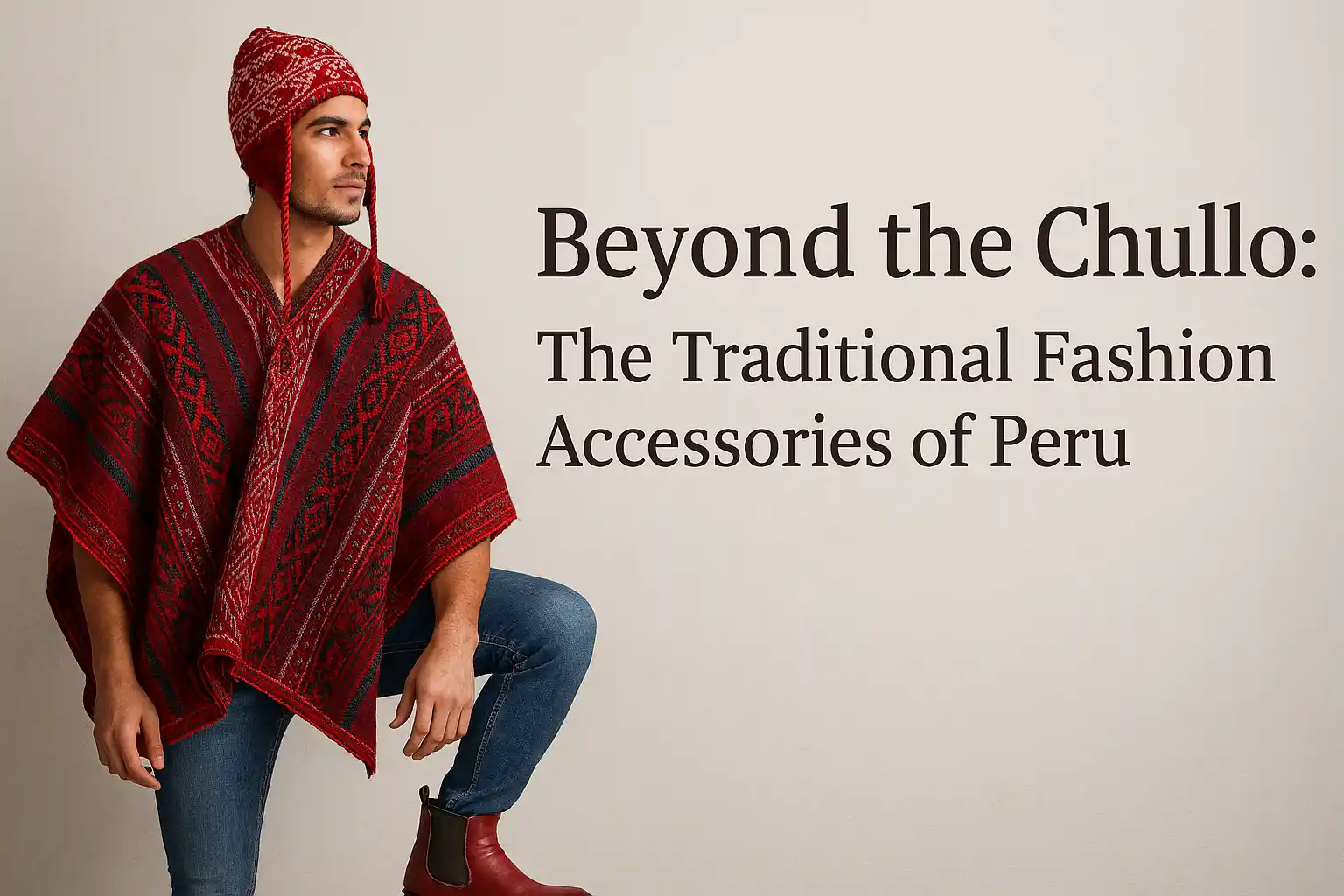
Peru, the Land of the Incas, possesses a fashion landscape as storied as its ancient cities and dramatic geography. While ponchos and chullos often steal the spotlight, Peru’s sartorial heritage runs far deeper, shaped by centuries of Indigenous craftsmanship, regional identity, and exceptional textile mastery. From symbolic hats and woven adornments to jewelry rooted in ritual and belief, Peruvian fashion accessories tell quiet but powerful stories. Although Peru shares certain Andean traditions with its neighbors, its expressions remain unmistakably distinct. Each piece reflects local history, environment, and artistry. Let’s begin this sartorial journey through traditional fashion accessories of Peru—starting with the iconic Peruvian hats and then covering the rest of the items.
Chullo
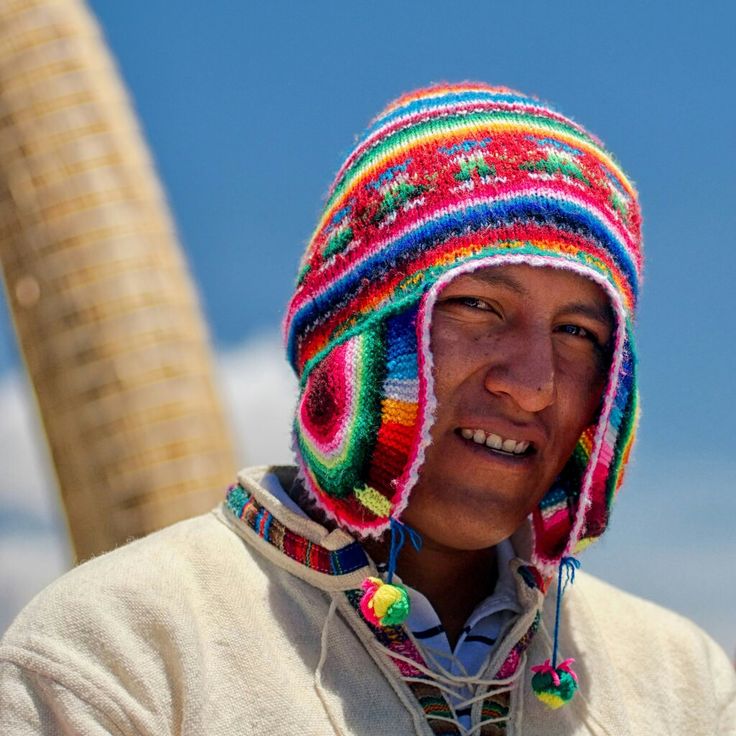
The chullo (pronounced choo-yo) is a knitted Andean hat distinguished by its close-fitting crown, long earflaps, and braided tassels. Traditionally made from alpaca, llama, or sheep wool, it is hand-knit using needles or simple looms. Its snug structure is designed to protect against extreme highland cold. Patterns and colors vary by region and often signal community identity, age, or marital status. Originally worn by Quechua and Aymara men, the chullo is now used by all genders. Beyond warmth, it remains a powerful symbol of Andean heritage and rural continuity.
Quechua Montera (Women’s Hat)
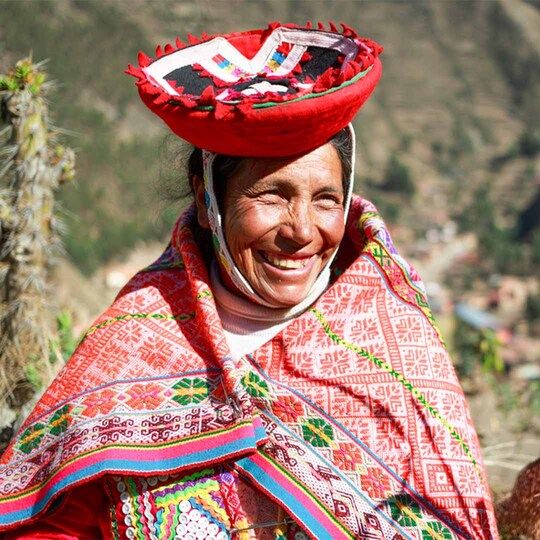
The montera is a structured women’s hat worn by Quechua communities, with forms ranging from flat, disc-like shapes to rounded felted crowns. Typically made from felted wool, leather, or thick woven cloth, it is often decorated with ribbons, embroidery, pom-poms, or metallic trim. Monteras visually communicate regional identity, marital status, and festive occasion. Worn daily or during ceremonies, the montera is a marker of cultural belonging rather than fashion trend. Its silhouette varies distinctly across Peru, making it one of the most expressive elements of Quechua women’s dress. Image Source
Sombrero Chalán (Broad-Brimmed Hat)
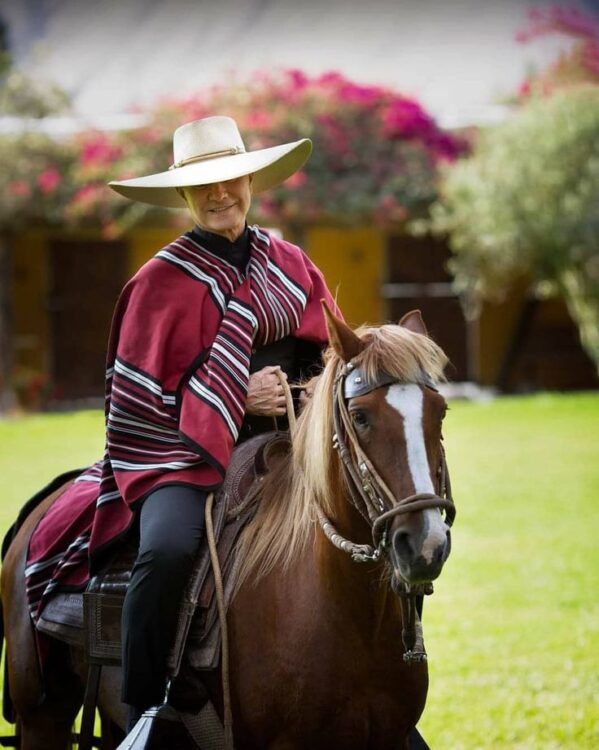
The sombrero chalán is a wide-brimmed, stiff hat associated with Peru’s coastal horsemen and traditional caballo de paso culture. It features a flat crown and broad, horizontal brim, offering sun protection and a commanding silhouette. Made from high-quality felt, it is worn during equestrian events, parades, and cultural festivals. The hat symbolizes elegance, discipline, and horsemanship, reflecting Peru’s refined riding traditions. Unlike Andean wool hats, the sombrero chalán belongs to Peru’s coastal sartorial identity and remains a proud emblem of traditional male attire.
Asháninka Hat
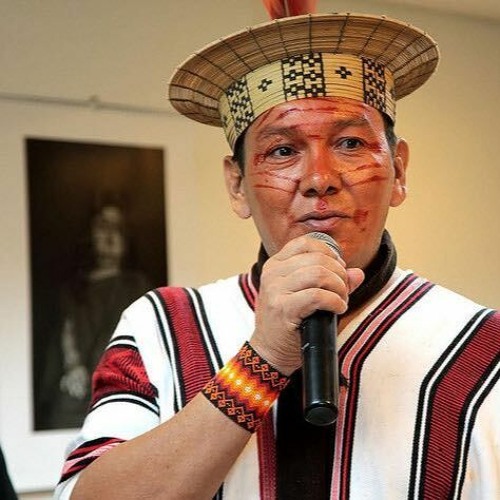
The Asháninka hat is a lightweight, handwoven hat made from palm fibers or plant reeds sourced from the Amazon rainforest. Its structure is typically conical or slightly domed, designed for ventilation and protection from sun and rain. Worn by the Asháninka people of eastern Peru, the hat reflects a lifestyle deeply connected to the forest environment. It is used daily rather than ceremonially and represents practical Indigenous design shaped by climate and ecology. Minimal in decoration, its importance lies in craftsmanship, sustainability, and cultural continuity within Amazonian Peru. Image Source: Sound Cloud
Lliclla (Rectangular Shoulder Cloth)
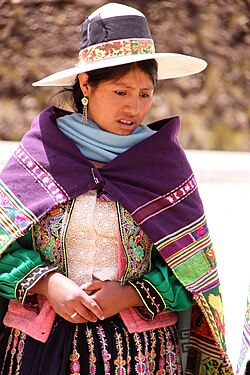
The lliclla ( pronounced YEE-klya) is a rectangular woven textile worn over the shoulders by Quechua and Aymara women. Made from alpaca or sheep wool, it is secured at the front with a decorative pin called a tupu. Its structure is flat and symmetrical, often featuring bold stripes and symbolic geometric patterns. The lliclla functions as both garment and tool, used to carry babies, food, or goods. Beyond utility, it conveys regional identity, weaving skill, and cultural memory, making it one of the most important textiles in Andean women’s dress.
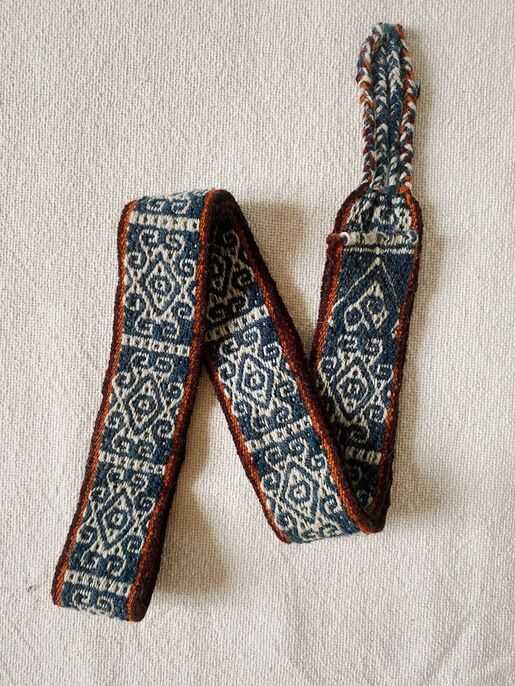
Quechua Chumpi (Woven Belt)
The chumpi is a narrow, tightly woven belt created on a backstrap loom using alpaca or sheep wool. Long and flat in structure, it wraps securely around the waist to hold skirts or trousers in place. Its surface is densely patterned with symbolic motifs representing mountains, animals, and agricultural life. Chumpis are worn by both men and women and often indicate community affiliation and weaving expertise. Durable and highly decorative, the chumpi is a functional accessory that also serves as a visual record of Andean worldview and identity.
Hand-Woven Alpaca Wool Scarf
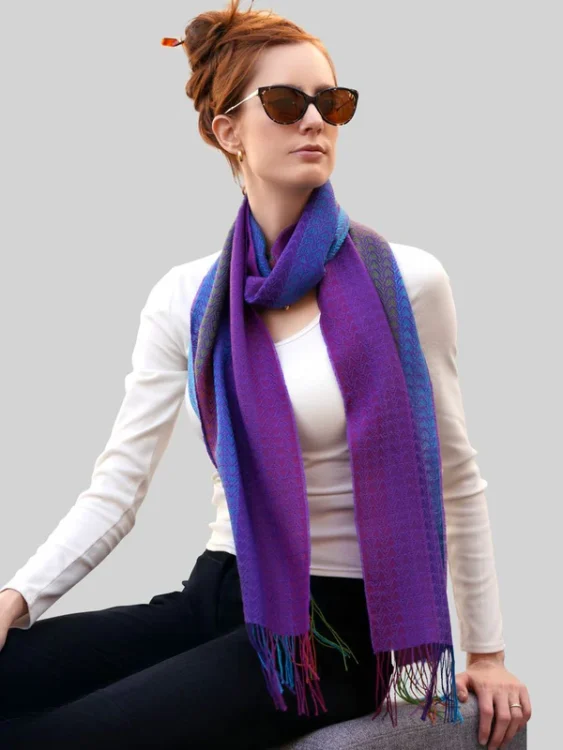
Peruvian alpaca scarves are long, narrow woven textiles prized for their softness, warmth, and lightness. Made from alpaca or baby alpaca wool, they are woven on traditional looms and finished with fringed ends. Natural dyes or subtle color palettes are common, reflecting Peru’s long textile tradition. Used for warmth in the highlands and as a refined accessory in urban settings, these scarves bridge traditional craftsmanship and contemporary style. Their importance lies in Peru’s mastery of alpaca fiber, a material that has defined Andean textile excellence for centuries.
Poncho Cusqueño
The Cusqueño poncho is a rectangular garment with a central head opening, woven from alpaca or llama wool. It is traditionally composed of two woven panels joined together, creating a balanced, draped silhouette. Characteristic designs include deep red or earth-toned fields with fine linear patterns inspired by Inca aesthetics. Worn by men during ceremonies, festivals, and daily life, it provides warmth and status. The poncho reflects Cusco’s role as the heart of Inca civilization and remains one of the most recognizable expressions of Peruvian textile heritage. Image Source

Q’ero Poncho
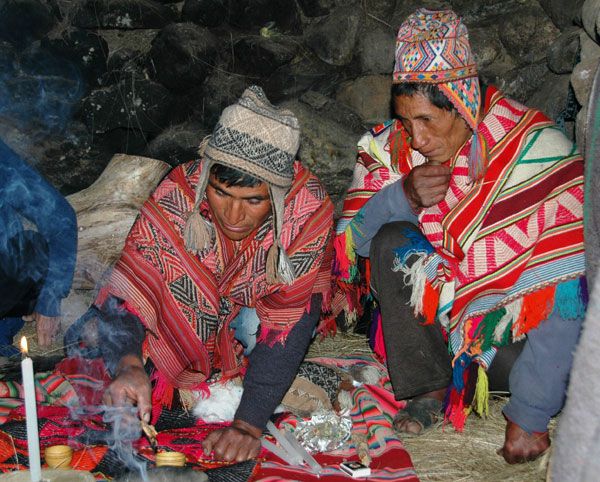
The Q’ero poncho is a thick, handwoven alpaca-wool garment, typically dominated by deep red tones with highly intricate, symbolic patterns. Constructed from two loom-woven panels joined at the center, it features densely packed motifs representing mountains (apus), agricultural cycles, and Inca cosmology. Worn by the Q’ero people of the Sacred Valley, the poncho functions as both clothing and cultural text. It is used during rituals, ceremonies, and daily life, embodying the Q’ero’s identity as guardians of Inca spiritual heritage and one of Peru’s most symbolically rich textiles.
Shipibo-Konibo Headband
The Shipibo-Konibo headband is a flat, woven or embroidered band worn around the head, made from cotton fibers and often dyed with natural pigments. Its defining feature is the use of kené patterns—intricate, maze-like geometric designs that represent spiritual visions and cosmic order. Lightweight and flexible, the headband is worn during ceremonies, festivals, and daily life by Shipibo-Konibo people of the Peruvian Amazon. Beyond decoration, it signifies spiritual knowledge, artistic mastery, and cultural continuity, making it a powerful identity marker within Amazonian Peruvian fashion. Types of headbands

Peruvian Blue or Pink Opal Jewelry
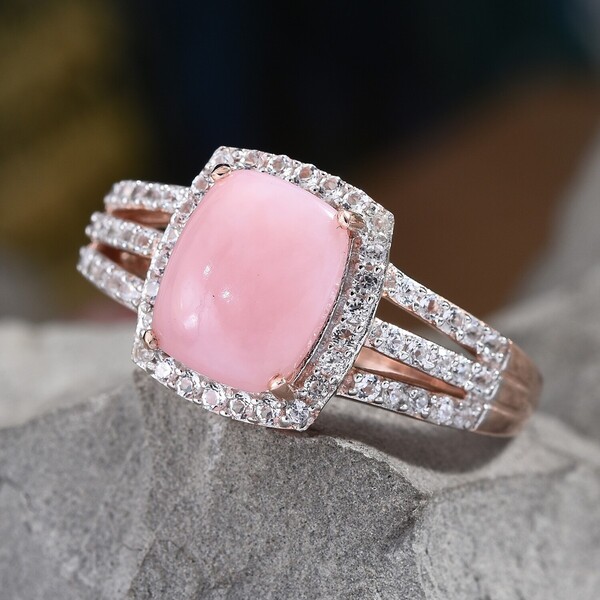
Peruvian blue and pink opal jewelry features polished cabochon stones set into sterling silver or handcrafted metal frames. The gemstones are typically oval or teardrop-shaped, emphasizing their translucent, milky tones. Found only in Peru, these opals are prized for their soft coloration rather than fire. Used in necklaces, earrings, rings, and bracelets, they hold cultural associations with emotional balance, peace, and healing. Pink opal, in particular, has become a signature of contemporary Peruvian jewelry, blending ancient Andean materials with refined modern craftsmanship.
Chakana (Inca Cross) Jewelry
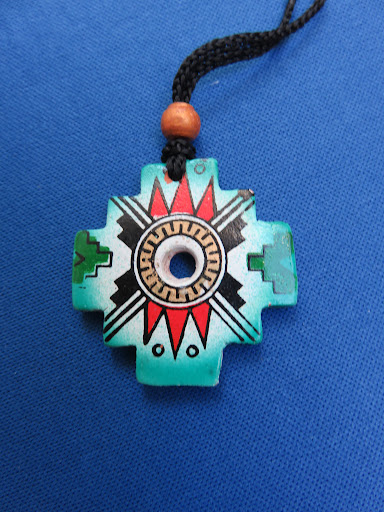
Chakana jewelry incorporates the stepped Andean cross, usually crafted in silver, gold, or stone-inlaid metal. The form is geometric and symmetrical, often appearing as pendants, earrings, or engraved charms. Each step of the cross represents Andean cosmology—the three worlds: Hanan Pacha, Kay Pacha, and Uku Pacha. Worn as both adornment and symbol, Chakana jewelry expresses spiritual balance, connection to nature, and ancestral knowledge. It is widely worn in Peru as a cultural emblem, bridging pre-Columbian philosophy with contemporary accessory design.
Tumi Jewelry Set
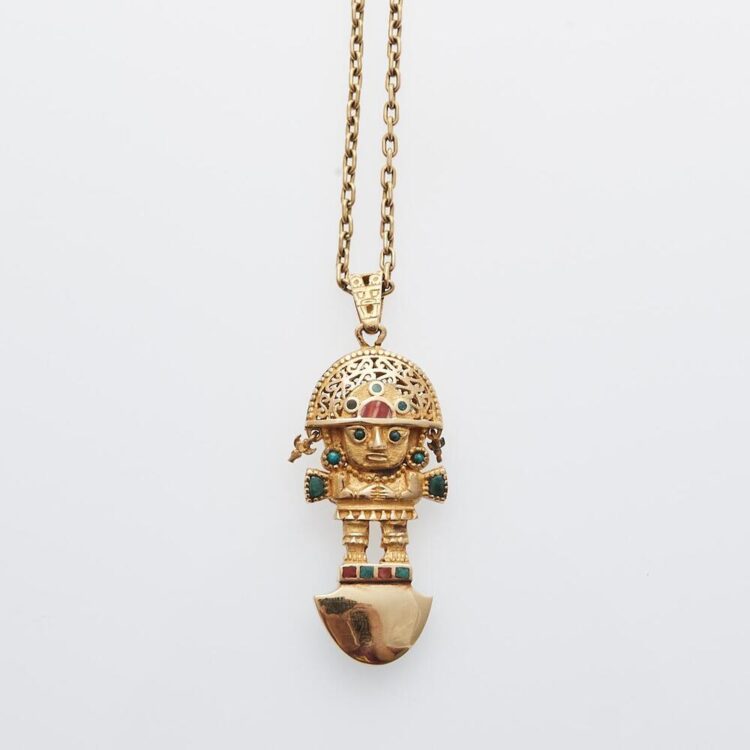
A Tumi jewelry set is inspired by the ancient ceremonial knife of pre-Columbian Peru, distinguished by its semi-circular blade and ornate handle. Jewelry versions typically include pendants, earrings, rings, or bracelets, crafted in silver, gold, or bronze, sometimes accented with Peruvian opal. The forms retain the iconic silhouette of the Tumi, transforming ritual symbolism into wearable art. If you look closely at Tumi jewelry, the handle usually depicts a seated or standing figure with a large, crescent-shaped headdress. This is Naymlap, the mythical founder-god of the Sicán civilization. Historically associated with healing and ceremonial power, modern Tumi jewelry represents protection, prosperity, and cultural pride, making it one of Peru’s most recognizable heritage-inspired accessory sets.
Tupu Pins
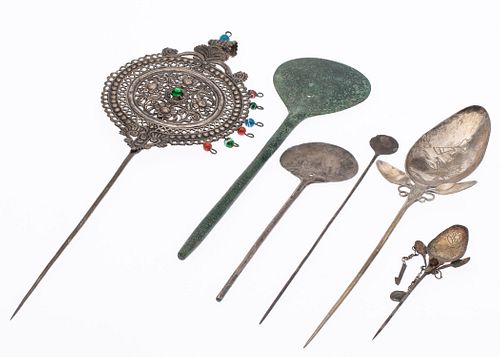
The tupu is a long metal pin, traditionally made of silver, bronze, or copper, used to fasten garments such as the lliclla. Structurally, it features a sharp shaft and a decorative head, often circular or figurative. Tupu pins are worn by Quechua and Aymara women and may be plain for daily use or highly ornate for ceremonies. Beyond function, the tupu carries cultural meaning, symbolizing status, femininity, and craftsmanship. Archaeological examples date back to the Inca period, making the tupu one of Peru’s oldest surviving fashion accessories. Image Source
Huayruro Seed Bracelets
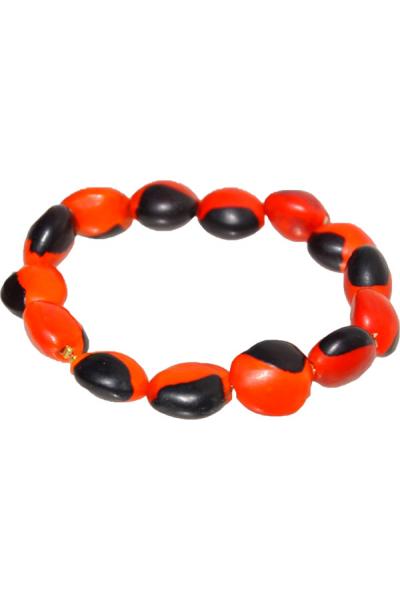
Huayruro seed bracelets are made from small, glossy red-and-black seeds, strung on cotton thread, leather, or silver wire. The seeds are round and highly polished, creating bold visual contrast. Originating in the Peruvian Amazon, these bracelets are worn as protective talismans, believed to ward off bad energy and attract good fortune. Commonly gifted to travelers, newborns, or loved ones, they hold strong cultural symbolism. While simple in structure, huayruro bracelets represent a deep connection between Peruvian fashion, nature, and traditional belief systems.
Together, these accessories reveal Peru’s sartorial heritage as a living tradition—one shaped by geography, belief, and extraordinary textile skill. From highland woolen forms to Amazonian symbolism and sacred jewelry, Peruvian fashion accessories are not relics of the past, but enduring expressions of identity, craftsmanship, and cultural pride.